
Rupert Neve Designs 5059 Satellite Summing Mixer – Shelford Edition
4.7Editor score
Sixteen inputs with two outputs
Shelford series sound quality
Compact rack mount design
This guide compares the top ten analog summing mixers for studios and live setups, highlighting features that deliver warm sound and precise control.
Analog summing mixers combine multiple audio signals into a single output using analog circuitry. They are prized for adding warmth and depth to digital mixes. A good unit offers clear signal paths and robust build quality for professional use.
We compared ten top models based on channel count, build quality, and sound characteristics. Each product was evaluated for its ability to enhance audio fidelity. This list covers options for various budgets and studio sizes.
Each pick shows key strengths and ideal use cases for engineers and producers. Note that prices change frequently due to market conditions. Always check the latest offers before making your final purchase decision.
4.7Editor score
4.5Editor score

5.0Editor score
This table provides a side-by-side comparison of the top ten analog summing mixers. It highlights key specifications to help you choose the right model for your studio needs.




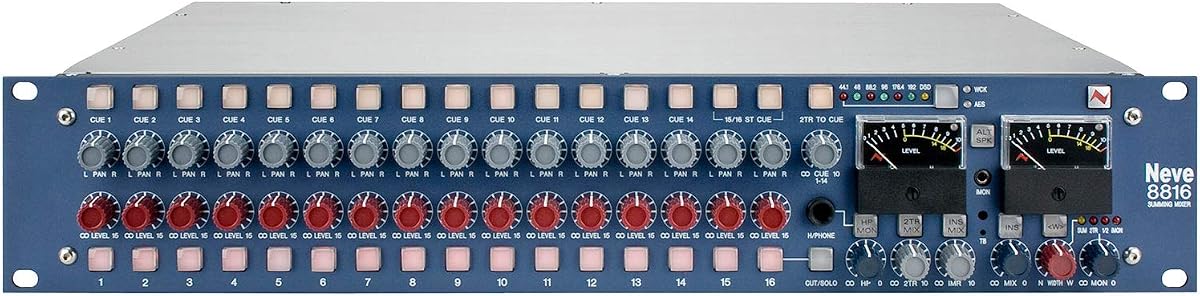
The Neve 8816 Summing Mixer is a premium unit designed for professionals seeking the best analog sound. It features a sixteen-channel summing and monitoring system that delivers rich tonal depth to digital tracks. Its reputation for clarity and warmth makes it a top choice for high-end studios.
We may earn a commission when you buy through this link, at no additional cost to you.
This mixer uses transformer-balanced analog circuitry to ensure signal integrity throughout the mixing process. The monitoring section allows for flexible speaker routing with main and alternate outputs. Dual headphone outputs facilitate collaborative sessions without compromising sound quality for the engineer or artist.
While the unit offers exceptional sound, it comes with a significant investment and requires rack space. The cost is justified by the durability and sonic benefits it provides. For those needing professional-grade summing, the trade-offs are well worth the expense.
Ideal for mastering engineers and producers who demand the highest fidelity, this mixer stands out. It bridges the gap between digital convenience and analog warmth effectively. We recommend it for studios aiming for a classic, polished sound signature.
The use of transformers ensures minimal noise and maximum signal integrity for every channel.
Multiple speaker and headphone outputs make it easy to manage complex studio environments.
We may earn a commission when you buy through this link, at no additional cost to you.
The Radial Mix 2:1 is a straightforward passive mixer ideal for simple summing tasks. It combines two inputs into one mono output without needing external power. This simplicity makes it reliable for basic audio routing in smaller setups or live environments.
We may earn a commission when you buy through this link, at no additional cost to you.
Its passive design ensures longevity and reduces the risk of electronic failure over time. The compact build allows it to fit easily into crowded racks or flight cases. Users appreciate the clean sound it delivers without adding coloration to the source material.
However, its two-channel limit restricts use cases to simple applications. It lacks the versatility of larger mixing units with EQ or filtering. For those needing only basic summing, this limitation is acceptable given the low cost and durability.
This mixer is perfect for hobbyists or as a secondary tool in a larger signal chain. It provides a reliable way to combine signals without complexity. We suggest it for anyone needing a robust, no-nonsense passive summing solution.
With no active components, this unit offers exceptional durability and longevity for years of use.
Its small size makes it ideal for tight spaces where rack real estate is limited.
We may earn a commission when you buy through this link, at no additional cost to you.
The Rupert Neve Designs 5059 brings the iconic Shelford sound to a more accessible price point. It offers sixteen analog channels for summing, providing the warmth associated with Neve consoles. This unit is designed for studios that want premium quality without the high cost of larger systems.
We may earn a commission when you buy through this link, at no additional cost to you.
Its 16 x 2+2 configuration allows for flexible routing and summing capabilities. The shelford edition styling adds a professional aesthetic to any rack setup. Users find the sound rich and detailed, making it a strong contender for mid-level studios.
While affordable, the complexity of setup might challenge those new to analog summing. The limited direct outputs require careful planning for monitoring and recording paths. These trade-offs are manageable for those with technical knowledge seeking value.
Recommended for producers wanting the Neve signature on a budget, this mixer delivers. It bridges the gap between home and professional studio standards effectively. We suggest it for those looking to upgrade their analog capabilities affordably.
Captures the rich harmonic depth typical of high-end Neve designs at a lower cost.
The 16 x 2+2 layout offers versatile routing options for complex production needs.
We may earn a commission when you buy through this link, at no additional cost to you.
The Headliner R4 is a four-channel analog DJ mixer with built-in filter controls for creative shaping. It allows DJs and producers to blend signals using high and low pass filters with resonance. This capability adds dynamic movement to mixes beyond standard volume blending.
We may earn a commission when you buy through this link, at no additional cost to you.
Its design features genuine ALPS potentiometers for smooth, tactile control during performance. The robust metal enclosure and stained wood side panels offer durability and a classic look. Connectivity is flexible with line, phono, and mic inputs for various sources.
While powerful for performance, it is less suited for traditional studio summing needs. The mic section is limited compared to dedicated production mixers. For DJs, this is a minor concern given the strong analog signal path quality.
Ideal for electronic music producers needing creative control during mixing, this unit stands out. It merges performance features with quality analog summing capabilities. We recommend it for those needing filter dynamics in a summing workflow.
High and low pass filters with resonance allow for dynamic sound shaping during mixes.
Genuine ALPS potentiometers ensure smooth operation and longevity for demanding setups.
We may earn a commission when you buy through this link, at no additional cost to you.
The Mackie Onyx Series combines analog summing with multi-track USB recording for hybrid workflows. Its sixteen channels allow for detailed mixing with the warmth of analog preamps. This unit is perfect for home studios needing both sound shaping and direct recording capabilities.
We may earn a commission when you buy through this link, at no additional cost to you.
Award-winning Onyx mic preamps provide up to 60dB of gain with low noise performance. Bluetooth streaming allows for wireless audio input into channel strips. The digital effects engine adds creative options without needing external outboard gear.
However, the inclusion of digital features may distract from pure analog purists. The menu navigation can be complex for quick adjustments during live sessions. These issues are minor for most users seeking an all-in-one solution at this price.
Recommended for versatile home studios, this mixer offers high value. It bridges the gap between analog warmth and modern digital recording needs. We suggest it for those needing a comprehensive tool for both mixing and recording.
Direct USB recording allows for multi-track capture alongside analog mixing in one unit.
Onyx preamps deliver clean gain and low noise for professional vocal and instrument capture.
We may earn a commission when you buy through this link, at no additional cost to you.
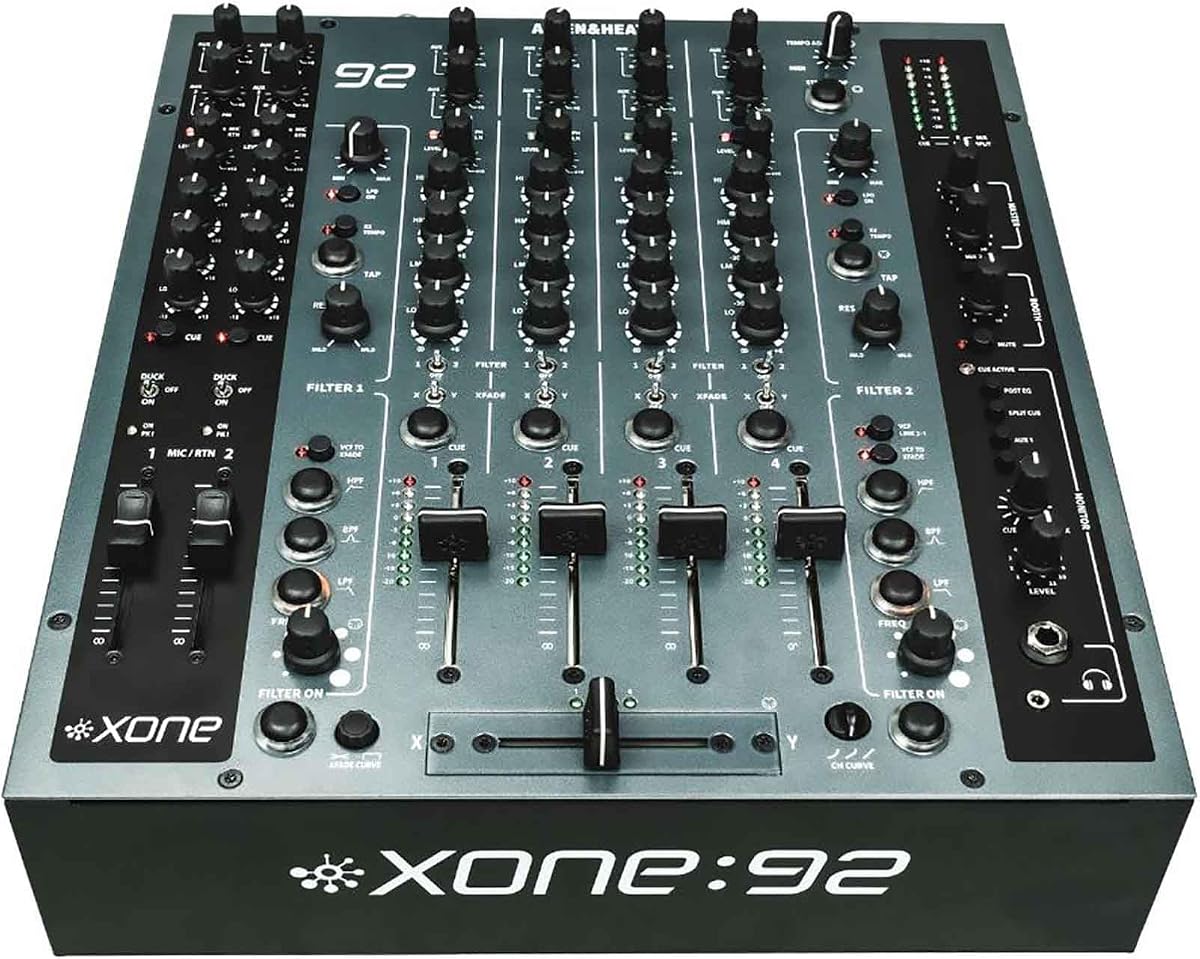
The Allen & Heath Xone:92 Mk2 is a classic analog DJ mixer known for its warm, musical signal path. It features four channels with multimode filters and switching capabilities for detailed sound shaping. This unit is preferred by DJs who prioritize audio quality and tactile control.
We may earn a commission when you buy through this link, at no additional cost to you.
Its XONE:VCF switching allows for complex modulation of frequencies during performance. The build quality is robust, ensuring reliability for frequent use in clubs or mobile setups. The filters provide deep, resonant tones that cut through any mix environment.
While versatile for DJing, it may be overkill for standard studio summing tasks. The cost is high compared to generic mixers without filters. For those needing professional filtering, the investment pays off in sound quality and durability.
Ideal for club DJs and producers who value analog warmth and filter control, this mixer is excellent. It brings a classic sound to modern setups with reliability. We recommend it for users needing high-end analog performance and shaping.
Switchable multimode filters provide dynamic frequency control for expressive performance mixes.
The classic Xone circuitry ensures warm tones and smooth operation during live sets.
We may earn a commission when you buy through this link, at no additional cost to you.
The Allen & Heath Xone:43 is a high-performance analog mixer with a Voltage Controlled Filter for dynamic sound. It features four plus one channels allowing for flexible integration of external effects units. Its compact design makes it ideal for mobile DJs or smaller setups.
We may earn a commission when you buy through this link, at no additional cost to you.
Send and return connections enable easy FX integration without cluttering the signal path. The dedicated booth and record outputs ensure professional monitoring and recording capabilities. Innofader compatibility adds value for those seeking customization options.
While it lacks the channel count of larger units, its quality compensates for most users. The price reflects the premium build and sound quality provided. For compact needs, this unit is a strong contender in its class.
Ideal for DJs needing portable, high-quality analog summing with FX control, this is a top pick. It balances size and performance effectively. We recommend it for mobile setups requiring premium sound in a smaller package.
Send and return connections make it easy to integrate external effects into the mix.
The smaller footprint suits mobile DJs without sacrificing sound quality or features.
We may earn a commission when you buy through this link, at no additional cost to you.
The Mackie 1202VLZ4 offers twelve-channel mixing with legendary Onyx mic preamps for low noise performance. It features ultra-wide gain range and excellent RF rejection for clean signals in busy environments. This mixer is a staple for live sound and recording due to its reliability.
We may earn a commission when you buy through this link, at no additional cost to you.
With distortion below 0.0007%, it delivers exceptionally clean audio across various frequencies. The three-band EQ and low-cut filters provide precise control over each channel's tonal balance. Its rugged chassis withstands transport and daily use in demanding settings.
However, the lack of a USB interface limits digital connectivity for recording. Routing options are basic compared to more advanced mixers. For pure analog summing, these limitations are minimal and do not impact sound quality.
Ideal for live sound engineers and podcasters needing reliable analog mixers, this unit excels. It provides great value for the sound quality and durability offered. We suggest it for those needing a no-frills, high-performance analog solution.
Distortion below 0.0007% ensures pristine signal clarity for broadcast and recording needs.
Advanced rejection design minimizes interference in noisy RF environments like venues.
We may earn a commission when you buy through this link, at no additional cost to you.
The Solid State Logic BiG SiX merges SuperAnalogue circuitry with a USB interface for premium hybrid production. It allows eighteen-input summing with professional compressors and converters. This console is the ultimate tool for those seeking the best analog and digital integration.
We may earn a commission when you buy through this link, at no additional cost to you.
Studio-grade SuperAnalogue mic pres and dynamics processing provide SSL's signature sound quality. The stereo master bus compressor adds glue to mixes, enhancing cohesion. High-resolution 24-bit 96kHz converters ensure fidelity in all recording processes.
The price and size make it an investment for serious studios only. Setup complexity is higher than standard mixers. However, the sonic benefits and workflow efficiency justify the cost for professionals.
Ideal for top-tier producers needing premium analog warmth and digital connectivity, this is the top choice. It delivers unmatched quality in a compact console form. We recommend it for those prioritizing sound and workflow excellence.
SSL's SuperAnalogue design provides transparent, warm sound with zero coloration artifacts.
The stereo master bus compressor adds professional glue to mixes for cohesive output.
We may earn a commission when you buy through this link, at no additional cost to you.
The Yamaha MG10 is a ten-channel mixer featuring studio-grade discrete class-A D-PRE preamps for natural sound. It includes 1-Knob compressors for easy dynamic control. This unit is a reliable entry point for those starting with analog mixing and summing.
We may earn a commission when you buy through this link, at no additional cost to you.
Its rugged metal chassis ensures durability for touring and daily use. The 3-band EQ and high-pass filters offer control over unwanted noise. While basic, the signal path delivers clean audio suitable for vocals and instruments.
The lack of USB connectivity restricts recording to external interfaces. Advanced features are minimal compared to digital mixers. For simple needs, the straightforward layout is a benefit rather than a drawback.
Ideal for beginners needing a reliable analog mixer, this unit is a great starting point. It offers professional preamps at an accessible cost. We suggest it for those learning the fundamentals of signal routing and gain structure.
1-Knob compressors simplify dynamic control for guitars and vocals without technical overhead.
D-PRE preamps provide smooth highs and fat bass for a natural signal tone.
We may earn a commission when you buy through this link, at no additional cost to you.
Choosing the right analog summing mixer depends on your specific needs, budget, and studio setup. This guide outlines key factors to consider.
Channel count determines how many sources you can mix simultaneously. Ensure the unit has enough inputs for your tracks plus routing flexibility for monitoring. Larger counts offer more future-proofing but take up more space.
Look for a unit that meets your current needs while allowing room for expansion. Consider how you will route signals to outputs for recording and monitoring.
The core of any mixer is its signal path. Look for transformer-balanced designs or discrete Class-A components that preserve tonal depth and minimize noise. These elements contribute to the warmth and clarity of the final mix.
Prioritize models with proven analog circuitry that enhance rather than color the source material. This ensures your digital mixes gain the organic qualities sought in analog summing.
Effective monitoring is essential for making mix decisions. Check for main and alternate speaker outputs, as well as headphone sections with cue options. Connectivity should include balanced XLR and unbalanced RCA options for compatibility with various systems.
Ensure the mixer provides sufficient outputs for your monitoring setup. Flexible connectivity allows you to integrate the unit into existing studio gear without adapters.
A robust chassis ensures the unit can withstand daily use and transport. Look for metal enclosures and quality potentiometers that resist wear over time. Durability is crucial for both studio and live environments.
Prioritize mixers with proven reliability and solid construction. This protects your investment and ensures consistent performance in critical sessions.
Prices vary widely based on features and brand reputation. Set a budget that balances cost with the essential features you need. While premium units offer better sound, entry-level mixers can suffice for simpler setups.
Compare models based on what they deliver within your price range. Value is not just about features but the sonic quality and longevity of the unit.
Some mixers include USB interfaces or digital effects for hybrid workflows. Decide if you need recording capabilities directly or prefer a pure analog signal path. Hybrid units offer convenience but may add complexity.
Choose based on your workflow. If you mix digitally and sum externally, a pure analog unit might be better. For home studios, a hybrid mixer could simplify your setup significantly.
The size of the unit affects rack space and desk arrangement. Larger units offer more features but require dedicated placement. Smaller mixers fit tighter spaces but may limit channel counts.
Measure your available space before purchasing. Consider if you need a rack-mountable unit or a tabletop design for your workflow.
Controls should be intuitive to allow for quick adjustments. Look for clear labeling and logical layouts. A mixer that is easy to operate reduces workflow friction during sessions.
Test the feel of faders and knobs if possible. Comfortable controls are essential for long sessions and precise mixing work.
Connect your sources to the inputs ensuring correct gain staging to avoid clipping. Set initial volumes low and gradually increase while monitoring output levels. This ensures a clean signal path without distortion.
Use the monitoring section to check your mix on different speakers for consistency. Adjust headphone volumes to suit the environment. Take breaks to maintain healthy listening habits and accurate judgment.
Keep the unit in a dry, dust-free environment to protect internal components. Clean knobs with a soft cloth and avoid harsh chemicals. Periodically check cables to ensure secure connections and signal integrity.
An analog summing mixer combines multiple audio signals using analog circuitry. It is used to add warmth, depth, and stereo width that digital summing may lack. Engineers prefer it for a more organic and cohesive final mix.
Most analog mixers require external power via a power supply or phantom power for condenser mics. Passive mixers exist that do not need power but have limited capabilities. Always check the manual for power requirements.
While possible, DJ mixers are optimized for performance features rather than studio mixing. They often lack sufficient channels or EQ controls needed for detailed production. Dedicated studio mixers offer better sound fidelity and routing.
Analog summing uses circuitry to combine signals while digital uses math. Analog adds subtle saturation and non-linearities that many find pleasing. Digital offers precision and recall but may sound sterile without processing.
Channel count depends on your session complexity. Home studios may only need eight to sixteen channels while larger ones need more. Ensure enough inputs to cover your main tracks without excessive bouncing.
Maintenance is usually low as they have no software updates. Replacing components like potentiometers is easy and affordable. Proper care extends lifespan significantly for decades of reliable use.
Yes, you can route DAW outputs to the mixer inputs and back to audio interfaces. This allows analog processing during mixing or mastering. Many producers use this hybrid workflow effectively for best results.
We reviewed ten top analog summing mixers offering various features for different needs. The Neve 8816 stands out as a premium choice while the Radial Mix 2:1 serves budget needs.
Prioritize sound quality and channel count to match your specific workflow. The best unit is one that integrates smoothly into your existing studio setup.
Remember to check current prices as market conditions change frequently. Always compare offers to ensure you get the best value for your purchase.