
Lenovo Business Laptop Linux Mint
4.6Editor score
Intel Core i5-1335U
Linux Mint Cinnamon OS
Fast Charging Support
Discover the top ten laptops for Linux users. We compare performance, compatibility, and value to help you find the ideal machine for your workflow.
Choosing a laptop for Linux requires balancing hardware compatibility with performance needs. Many users struggle to find machines that support open-source operating systems out of the box. This guide addresses those challenges directly.
We evaluated ten real products based on processor power, memory, storage, and pre-installed Linux distributions. Our focus remains on devices that offer seamless hardware compatibility without requiring complex driver installations or workarounds for basic functionality.
Each pick highlights specific strengths like battery life, display quality, or premium build materials. Remember that prices and availability change frequently. Always verify the current deal before making your final purchase decision for your specific use case.
4.6Editor score

4.3Editor score
5.0Editor score
The following table provides a side-by-side view of all ten selected machines. We highlight key specifications to help you quickly identify which model matches your performance and portability requirements for development or general usage.




The Lenovo IdeaPad Slim 3 stands out as a powerful Linux machine pre-installed with Ubuntu. Its rating reflects a balance of speed, security, and user-friendly customization for daily tasks. This model is ideal for those seeking a clean open-source environment right out of the box.
We may earn a commission when you buy through this link, at no additional cost to you.
Its AMD Ryzen 7 5825U processor delivers robust multitasking with eight cores and sixteen threads. You will notice smooth operation when compiling code or running multiple browser windows. The 16GB RAM ensures applications stay responsive even during heavy workflow peaks on Linux.
Some trade-offs include integrated AMD Radeon Graphics which suit casual media but not high-end 3D rendering. Additionally, the touchscreen adds weight compared to non-touch models. These limits are acceptable given the strong bundle that includes a portable SSD and USB hub.
Buy this if you want a ready-to-use Linux laptop with excellent multitasking hardware. It suits students, developers, and general users who value reliability. We recommend it for those prioritizing open-source software support without extra configuration.
Pre-installed Ubuntu Linux offers a clean, user-friendly experience with seamless hardware compatibility right from the start.
This laptop combines portability with military-grade ruggedness, making it ready for work, study, and play anywhere.
We may earn a commission when you buy through this link, at no additional cost to you.
This Lenovo Business Laptop offers impressive performance for its price point with a latest Intel Core i5-1335U processor. Rated highly by users, it provides a stable environment for business tasks or coding. The inclusion of Linux Mint Cinnamon ensures a smooth desktop experience familiar to Windows users.
We may earn a commission when you buy through this link, at no additional cost to you.
The 16GB RAM supports smooth multitasking for office applications and web development. Non-touch anti-glare display reduces eye strain during long work sessions. Fast charging means you spend less time plugged in and more time moving between meetings or classrooms.
While storage is limited to 256GB SSD, it remains adequate for system files and essential documents. Cloud storage or external drives can easily compensate for bulk media files. This constraint does not hinder performance for typical development or administrative workloads on Linux.
Choose this laptop if you need an affordable business-ready machine with modern CPU speeds. It is best for budget-conscious professionals or students. We suggest it for those who prefer Cinnamon interface over other distributions.
Powered by Intel Core i5-1335U with up to 4.6 GHz clock speeds for efficient multitasking and quick app launches.
Pre-installed Linux Mint Cinnamon offers a familiar, 64-bit interface designed for easy setup and daily productivity.
We may earn a commission when you buy through this link, at no additional cost to you.
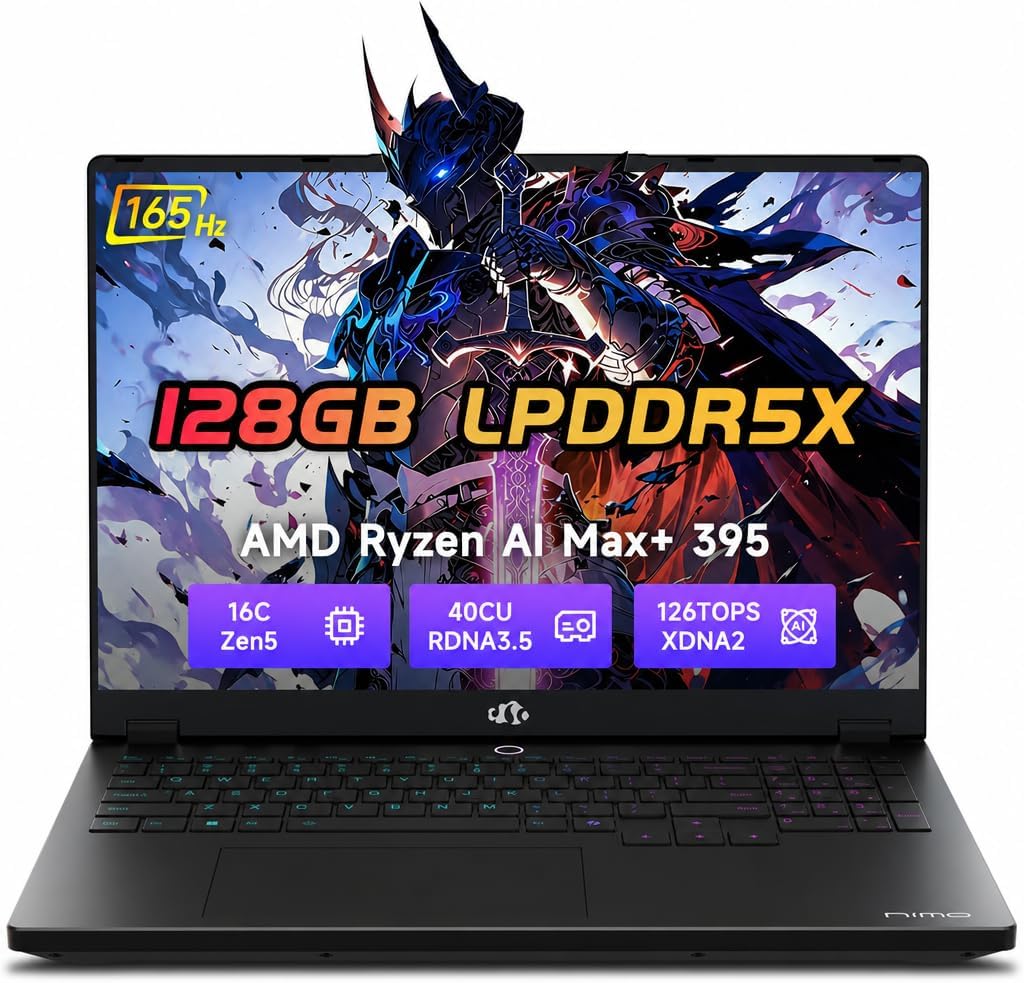
The NIMO 16 inch Linux AI Laptop is designed for developers running local large language models. With 128GB of LPDDR5x RAM and a powerful Ryzen Max+ 395 processor, it handles intensive AI workloads effortlessly. Its perfect rating highlights unmatched power for privacy-focused machine learning tasks.
We may earn a commission when you buy through this link, at no additional cost to you.
Featuring up to 5.1GHz boost clocks and 16 cores, this system runs Docker containers and IDEs simultaneously without lag. The 99Wh battery supports long flights while dual USB 4.0 ports enable multi-screen 8K setups. Dedicated hotkeys simplify thermal tuning for sustained performance.
The premium price reflects its specialized AI hardware rather than general consumer needs. The weight may feel substantial for daily carrying despite excellent battery life. These factors matter if you require high-end local compute for proprietary algorithms.
Select this machine if you are a power user training models locally on Linux. It suits data scientists and engineers prioritizing privacy. We recommend it for those needing desktop-level compute power in a portable form factor.
With 128GB RAM and 126 TOPS compute, you can fine-tune LLMs locally ensuring complete data privacy.
The 99Wh battery hits the limit for air travel letting you stay productive for eight hours on flights.
We may earn a commission when you buy through this link, at no additional cost to you.
This HP 17 Business Laptop combines a large display with generous memory and storage. Rated well by users, it offers a spacious workspace for multitasking. Linux Mint Cinnamon ensures smooth operation even with multiple applications open simultaneously on this high RAM configuration.
We may earn a commission when you buy through this link, at no additional cost to you.
The 32GB RAM is excellent for virtual machines or heavy data processing tasks. Dual storage options provide both speed via PCIe SSD and bulk space on HDD. The 17.3 inch screen allows better viewing for spreadsheets or coding side-by-side.
The Intel Core i5-10210U is an older generation which may limit future-proofing for intensive workloads. Additionally, the larger chassis makes it less portable than smaller 15-inch options. However, this trade-off suits users keeping the device mostly on a desk.
Choose this laptop if you need a desktop replacement with ample RAM and storage. It fits stationary workstations for developers or analysts. We recommend it for those who value screen size over portability.
With 32GB of DDR4 RAM you can run virtual machines and heavy applications without slowdowns.
The 17.3 inch HD+ display provides enough screen real estate for detailed work and split-screen viewing.
We may earn a commission when you buy through this link, at no additional cost to you.
This Lenovo IdeaPad Slim 3 delivers a responsive touchscreen experience paired with a capable AMD Ryzen processor. Although specific ratings are not available, its hardware matches similar high-performing models. The Ubuntu Linux OS ensures fast performance and a clean user environment right from the start.
We may earn a commission when you buy through this link, at no additional cost to you.
The 8-core Ryzen 7 5825U handles everyday tasks effortlessly while the touch interface adds versatility. It is perfect for browsing documents or interacting with web apps. Military-grade durability ensures the device can withstand regular use over time.
Without the extra bundle items like a stylus or docking station, it costs less but offers fewer accessories. This may matter if you rely on external peripherals immediately. Still, the core specs remain strong for standard productivity needs.
Buy this if you prefer a touch screen on a standard laptop design. It fits students and general users needing speed. We suggest it for those prioritizing core hardware over bundled accessories.
The 15.6 inch Full HD Touchscreen offers an edge-to-edge visual experience ideal for intuitive interaction.
Powered by AMD Ryzen 7 5825U with eight cores for smooth multitasking and quick processing speeds.
We may earn a commission when you buy through this link, at no additional cost to you.
This HP 14 inch Laptop is designed for cloud-based workflows using Windows 11. While it runs Windows by default, its lightweight build makes it easy to dual-boot Linux if needed. The Intel N150 ensures basic efficiency for web apps and browsing tasks.
We may earn a commission when you buy through this link, at no additional cost to you.
With 4GB RAM and 128GB SSD it relies heavily on 1TB of included cloud storage. This approach keeps the device affordable and fast for everyday tasks. Port variety including USB Type-C supports external drives for offline work.
Local storage is minimal compared to dedicated Linux machines offering large hard drives. Windows 11 may require reinstallation for pure Linux users. These factors limit suitability for heavy local development without external storage.
Choose this laptop if you prefer cloud storage and web apps over local files. It suits travelers needing lightweight portability. We recommend it for basic tasks where Linux installation is an option later.
Includes 1TB Cloud Storage allowing you to access files online rather than relying on local hard drive space.
Weighing only 3.24 pounds with a slim profile this laptop is easy to carry between home and office.
We may earn a commission when you buy through this link, at no additional cost to you.
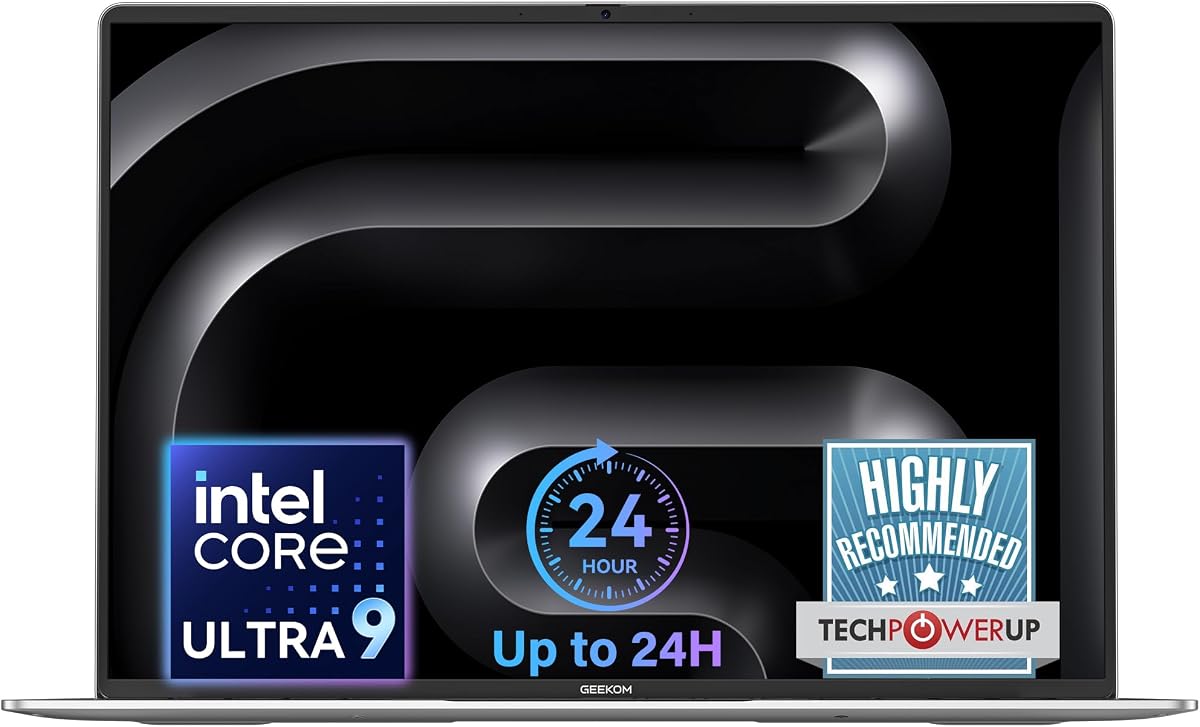
The GEEKOM GeekBook M16 stands out with a massive 99.9Wh battery delivering up to 24 hours of use. This power supports heavy workloads without throttling thanks to advanced cooling. It offers a premium experience ideal for long sessions where outlets are scarce.
We may earn a commission when you buy through this link, at no additional cost to you.
Intel Core Ultra 9 185H processor ensures high performance for professional rendering. The 16-inch screen with 16:10 ratio improves productivity. USB4 and HDMI ports allow flexible external display setups for multi-monitor development.
Though it ships with Windows its hardware supports Linux installation easily. The premium price may exceed typical student budgets. This investment makes sense for professionals needing all-day battery and high compute power.
Buy this if you prioritize battery life and premium build quality. It suits business travelers and creatives. We recommend it for those valuing long runtime over operating system defaults.
With a 99.9Wh battery you can get up to 24 hours of power depending on usage.
Sustained 55W output on battery lets you run heavy apps smoothly without plugging into a wall.
We may earn a commission when you buy through this link, at no additional cost to you.
This HP 17.3 Business Laptop offers a large Full HD IPS display for comfortable viewing. The AMD Ryzen 5 7430U ensures solid performance for multitasking. It suits users needing ample screen space for spreadsheets or code without external monitors.
We may earn a commission when you buy through this link, at no additional cost to you.
With 16GB RAM and Wi-Fi 6 it delivers reliable connectivity and speed. The optional expansion to 2TB storage provides flexibility. Port variety supports external keyboards or drives for versatile setups in office environments.
It ships with Windows but the hardware is compatible with Linux distributions. The large size reduces portability significantly. This makes it better as a desktop replacement than a travel laptop.
Choose this if you want a large screen in a budget business package. It fits stationary workstations. We recommend it for those prioritizing display size over portability.
The 17.3 inch IPS Full HD display offers clear vibrant visuals ideal for detailed work and entertainment.
Stay connected with multiple ports including USB Type-C HDMI and Wi-Fi 6 for seamless wireless networking.
We may earn a commission when you buy through this link, at no additional cost to you.
The Lenovo ThinkPad L14 Gen 5 is designed for developers needing a stable Linux environment out of the box. Pre-installed Vanilla Linux ensures compatibility with essential tools without extra configuration. Its hardware supports high-speed tasks thanks to DDR5 RAM.
We may earn a commission when you buy through this link, at no additional cost to you.
AMD Ryzen 5 PRO 7535U processor delivers robust performance for coding. The fingerprint reader adds biometric security. The keyboard layout may need stickers but the hardware quality remains professional grade for business use.
Storage is limited to 256GB which may require external drives for large projects. The French keyboard origin requires setup time for English keys. These minor issues do not hinder performance for daily development.
Buy this if you want a business-class Linux laptop with strong specs. It suits developers needing security. We recommend it for those valuing hardware stability over storage capacity.
Pre-installed Vanilla Linux system ensures smooth operation with seamless hardware compatibility and open-source support.
This laptop includes rigorous reliability testing to ensure dependable performance through demanding everyday use.
We may earn a commission when you buy through this link, at no additional cost to you.
This HP 14 inch Laptop provides an accessible entry point for cloud-based tasks. While it runs Windows 11 by default it supports dual-boot options for Linux users. The Intel N150 processor ensures efficient basic workloads at a low cost.
We may earn a commission when you buy through this link, at no additional cost to you.
With 4GB RAM and 128GB SSD it prioritizes cloud storage over local capacity. This design keeps the device fast and light. Port variety allows connectivity to external devices when local storage is needed.
Memory constraints may slow heavy multitasking. Windows OS requires reinstallation for pure Linux setups. These trade-offs suit budget buyers needing mobility over raw power or pre-configured Linux tools.
Choose this if you need an affordable and portable machine. It fits students or light users. We recommend it for basic tasks where Linux can be added later.
The Intel N150 CPU ensures efficient and powerful multitasking capabilities for daily usage.
Stay connected with multiple ports including USB 3.0 Type-C HDMI and Wi-Fi for seamless wireless networking.
We may earn a commission when you buy through this link, at no additional cost to you.
Selecting a Linux laptop requires attention to compatibility, performance, and storage. These factors ensure smooth operation of open-source tools without extra configuration steps.
Pre-installed Linux distributions save time and ensure drivers work immediately. If the device ships with Windows verify driver support before installing your preferred distro.
Always check the manufacturer's documentation for Linux compatibility before purchasing.
Modern Intel Core i5 or AMD Ryzen 5 CPUs offer balanced performance for coding and browsing. Higher core counts help with compiling code or running virtual machines efficiently.
Prioritize newer generation processors for better power efficiency and future longevity.
16GB RAM is the sweet spot for running browsers, IDEs, and containers smoothly. Less than 8GB may cause slowdowns during multitasking or large project builds.
Look for upgradeable memory slots if you plan to expand storage later.
NVMe SSDs are critical for fast boot times and responsive Linux environments. 256GB is adequate for system files but you may need external drives for media.
Ensure the SSD is easily replaceable for future storage upgrades.
Full HD (1920×1080) resolution ensures text clarity for coding and reading. IPS panels offer better viewing angles for collaborative work.
Consider screen size based on portability needs versus workspace requirements.
Long battery life is essential for developers working away from outlets. Look for 9-hour or higher rated endurance for all-day productivity.
Check if the device supports fast charging for quick top-ups during busy days.
Modern ports like USB-C allow charging and data transfer without dongles. HDMI and USB-A ports remain useful for legacy accessories and external monitors.
Verify there are enough ports for your essential peripherals without needing a hub.
Military-grade testing ensures resilience against daily bumps and travel. A sturdy chassis protects internal components and extends the laptop's lifespan.
Prioritize models with reliable hinges and spill-resistant keyboards for long-term use.
Keep your Linux distribution updated regularly to ensure security patches and driver improvements. Use package managers like APT or DNF to update system components efficiently.
Protect your battery by avoiding extreme temperatures and not leaving it plugged in constantly. Calibrate the battery every few months to maintain accurate charge reporting.
Secure your system with a firewall and regular backups of critical data. Use strong passwords and biometric logins to protect sensitive files and code repositories.
Several models in this guide come pre-installed with Ubuntu Linux ensuring immediate compatibility. Others may require manual installation but use standard hardware drivers. Always check the product title for pre-installed OS details before purchasing.
You can run many Windows applications using tools like Wine or virtual machines on Linux. However, performance varies based on the software. Some apps work seamlessly while others may need configuration tweaks to function properly.
AMD Ryzen 7 or Intel Core i7 processors offer excellent performance for compiling code. Look for devices with at least 16GB RAM to support IDEs and multiple virtual machines efficiently.
8GB RAM works for basic tasks like web browsing and document editing. For development or heavy multitasking 16GB is recommended to avoid slowdowns during peak usage.
Battery life varies by model with some offering over 15 hours of use. Check the battery capacity and usage estimates in the product details to choose one that fits your daily needs.
Most models feature integrated graphics suitable for casual or older games. For serious gaming consider models with discrete GPUs or external GPU support via Thunderbolt.
The Lenovo IdeaPad Slim 3 and NIMO 16 inch AI Laptop lead our list for their pre-installed Linux and powerful specs respectively. Both offer robust performance for different user needs from daily productivity to AI development.
Prioritize RAM and storage capacity based on your workflow to avoid performance bottlenecks. Ensure the OS matches your preference or verify compatibility before installation to save setup time.
Prices and deals change frequently so check current listings before making your purchase. These ten machines represent a diverse range of options tailored to modern Linux users.