
Garmin eTrex SE
4.2Editor score
Long 168 hour battery life
Multi-GNSS satellite support
IPX7 water resistant design
Finding the right handheld GPS for geocaching can transform your outdoor adventures into seamless treasure hunts. A reliable device ensures you locate caches quickly while navigating rugged terrain safely without relying solely on smartphone signals.
We evaluated ten top-rated models based on display readability, battery longevity, satellite connectivity, and specialized geocaching features. Our analysis focuses on real-world performance in challenging environments to highlight devices that stand up to outdoor demands.
Each pick includes detailed specifications, pros, cons, and ideal use cases to match your specific needs. Note that prices fluctuate frequently, so verify current costs before purchasing to ensure you get the best value available today.
4.2Editor score
4.3Editor score

4.0Editor score
As an Amazon Associate we earn from qualifying purchases.
This side-by-side comparison highlights key specifications across all ten devices to help you quickly identify which model offers the best balance of features for your geocaching style.



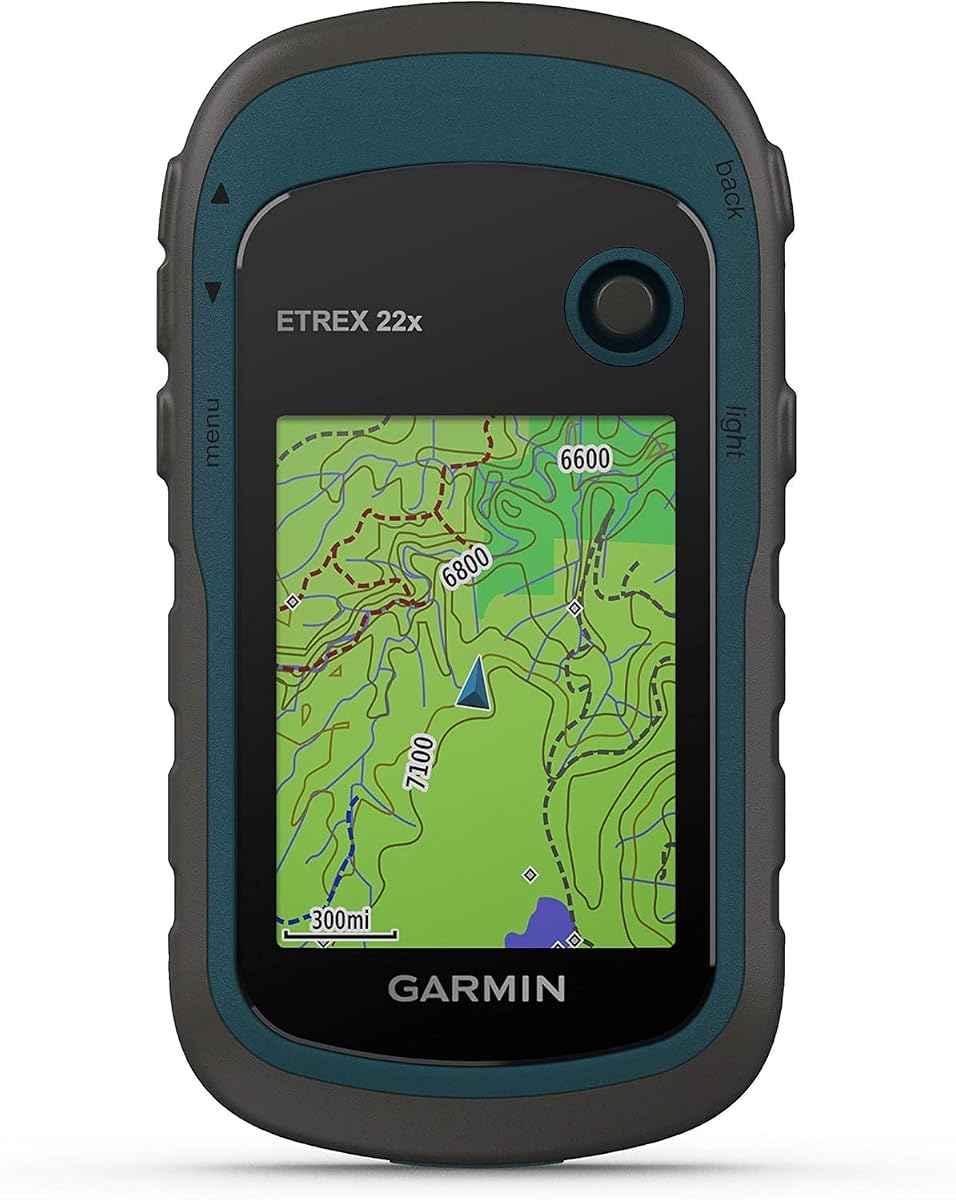
The Garmin eTrex 22x stands out as a reliable workhorse for geocachers who need dependable navigation without breaking the bank. With a rating of 4.3 stars, users appreciate its sunlight-readable display and robust construction that withstands outdoor elements effectively.
We may earn a commission when you buy through this link, at no additional cost to you.
Its standout quality lies in the 2.2-inch color display paired with GPS and GLONASS support, ensuring you get a lock even in dense forests or deep canyons. The preloaded Topo Active maps provide immediate route guidance for hiking and cycling tracks without needing extra downloads.
Trade-offs include limited internal memory, which requires a micro SD card for extensive map storage, and an interface that feels less modern compared to touchscreen competitors. However, these compromises are acceptable given the device's rugged durability and exceptional battery life using standard AA cells.
Geocachers who prioritize battery longevity and signal reliability over flashy features will find this model ideal for weekend adventures. It offers a balanced mix of essential tools and durability, making it a top recommendation for serious outdoor enthusiasts seeking value.
Support for both GPS and GLONASS systems ensures faster positioning and better coverage in challenging environments where single-system receivers might struggle to maintain a lock.
Using two AA batteries allows up to 25 hours of GPS mode usage, ensuring you can complete multi-day trips without needing to recharge or swap cells frequently.
We may earn a commission when you buy through this link, at no additional cost to you.
The Garmin eTrex SE offers incredible value for budget-conscious geocachers who need a dependable navigator without extra cost. Rating 4.2 stars, it excels in battery efficiency and connectivity, making it perfect for extended trips where recharging isn't an option.
We may earn a commission when you buy through this link, at no additional cost to you.
Its key strengths include a massive 168-hour battery life in standard mode and multi-GNSS support that taps into GPS, GLONASS, Galileo, and more for precise positioning. Pairing with the Garmin Explore app enables automatic cache updates and weather data synchronization directly to your device.
While it lacks preloaded detailed maps and requires you to manage map downloads yourself, the trade-off allows for a lower price point and customization flexibility. The water-resistant design ensures it can handle unexpected rain without worry.
This model is ideal for geocachers who already use the Explore app for planning and want a reliable secondary device. It delivers core navigation features with superior battery life, proving that budget-friendly does not mean compromising on essential performance metrics.
Pairing with the Garmin Explore app allows for wireless software updates, trip planning, and automatic geocaching live updates directly to your device.
Switch to expedition mode to extend battery life up to 1,800 hours by dimming the screen and reducing updates, perfect for long-duration tracking.
We may earn a commission when you buy through this link, at no additional cost to you.
The Garmin GPSMAP 66s represents a premium tier in handheld navigation, offering advanced features like BirdsEye Satellite Imagery and a large 3-inch display. Rating 4.0 stars, it caters to geocachers who demand high-quality visuals and precise elevation data during their treks.
We may earn a commission when you buy through this link, at no additional cost to you.
Key strengths include the large sunlight-readable screen and direct-to-device map downloads, which enhance the viewing experience significantly. The barometric altimeter provides accurate altitude tracking, while wireless connectivity brings live weather forecasts and animated radar to your wrist.
The renewed status means checking device condition carefully, but it allows access to high-end features at a reduced cost. Some users might find the price steep compared to entry-level models, but the feature set justifies the investment for serious outdoorsmen.
If you value detailed visuals and advanced telemetry like barometric pressure trends, this device is unmatched. It is best suited for adventurers who want to integrate weather monitoring and high-resolution satellite imagery into their geocaching workflow.
Access BirdsEye Satellite Imagery with direct-to-device downloads and no annual subscription, providing detailed satellite views of your routes.
Expanded wireless connectivity supports Active Weather for up-to-date forecasts and animated weather radar to keep you safe outdoors.
We may earn a commission when you buy through this link, at no additional cost to you.
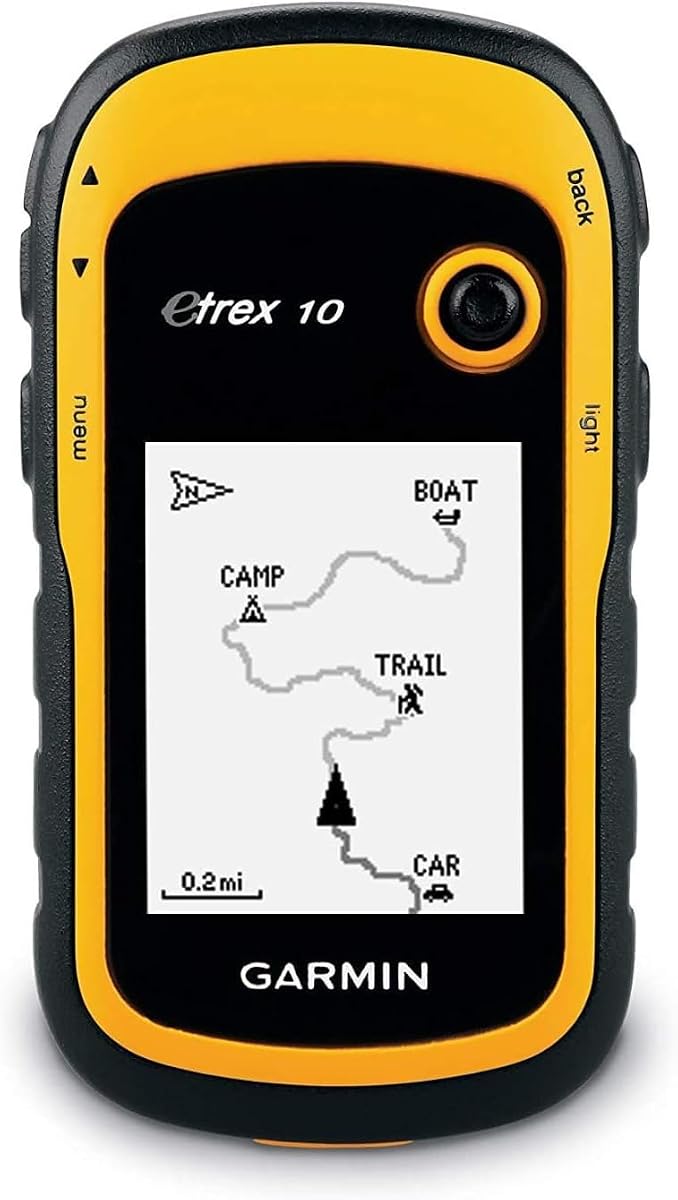
The Garmin eTrex 10 serves as an accessible entry point for those new to geocaching who need reliable navigation without complex features. Rating 4.3 stars, it is praised for its simplicity, worldwide coverage, and robust build that withstands rain and dust.
We may earn a commission when you buy through this link, at no additional cost to you.
Its key strengths include the preloaded worldwide basemap and WAAS-enabled GPS receiver for fast, accurate positioning. The IPX7 waterproof rating ensures protection against splashes and rain, making it suitable for various weather conditions without extra cases.
Trade-offs include a monochrome display that lacks the clarity of color screens and limited advanced mapping capabilities compared to newer models. However, for basic point-to-point navigation, these limitations are acceptable and contribute to the device's lower price point.
This device is perfect for beginners or those who prefer a distraction-free tool. It strips away unnecessary bells and whistles to focus on core functionality, ensuring you can find your way without navigating through complex menus.
Support for HotFix satellite prediction helps speed up initial location acquisition, ensuring you get on track faster after powering on.
Power with two AA batteries for up to 20 hours of use, ideally with Polaroid AA batteries for best performance in cold conditions.
We may earn a commission when you buy through this link, at no additional cost to you.
This rugged GPS navigator offers a compelling alternative to major brands with its large screen and USB-C charging convenience. Rating 3.9 stars, it appeals to users who need a bright display and modern charging options for their outdoor adventures.
We may earn a commission when you buy through this link, at no additional cost to you.
Key strengths include the 3.2-inch sunlight-readable screen and Multi-GNSS support that ensures accurate positioning across multiple satellite systems. The rechargeable battery provides up to 36 hours of life, and physical buttons allow for easy operation even with gloves on.
Trade-offs involve being a third-party brand, which might mean less consistent software support or durability compared to established manufacturers. The IP66 rating is solid but not as recognized as IPX7 for waterproofing standards.
If you want a bright display and rechargeable battery without breaking the bank, this model offers good value. It suits geocachers who prioritize screen size and modern charging methods over brand loyalty or specific ecosystem integrations.
Support for GPS, GALILEO, BEIDOU, and QZSS provides superior positional accuracy, ensuring location precision within six feet in most areas.
Recharge easily with a standard USB-C cable, reducing the need to carry extra battery packs or adapters during extended trips.
We may earn a commission when you buy through this link, at no additional cost to you.
The Garmin eTrex 32x builds on the classic eTrex design by adding advanced sensor features like a 3-axis compass and barometric altimeter. Rating 4.2 stars, it is valued for its accuracy and expandability, making it a step up for serious navigators.
We may earn a commission when you buy through this link, at no additional cost to you.
Key strengths include the preloaded Topo Active maps and Micro SD card slot, which allow you to store additional maps without sacrificing performance. The 3-axis compass provides accurate heading even when stationary, a significant advantage over standard compasses.
Trade-offs include a slightly higher price point compared to the basic model and physical buttons that might feel stiff for some users. However, the added sensor accuracy justifies the cost for those tracking elevation changes frequently.
This device is ideal for geocachers who need precise heading and elevation data. It bridges the gap between basic navigation and advanced hiking tools, offering a robust feature set in a familiar rugged package.
eTrex 32x adds a 3-axis compass that provides an accurate heading even when stationary, improving navigation reliability in dense forests.
Includes a Micro SD card slot, allowing you to load additional maps or data points beyond the internal 8 GB memory.
We may earn a commission when you buy through this link, at no additional cost to you.
The Garmin Oregon 550T stands out with its integrated digital camera, allowing geocachers to capture images directly from the device. Rating 4.3 stars, it is loved for its touchscreen interface and ability to document finds easily without switching tools.
We may earn a commission when you buy through this link, at no additional cost to you.
Key strengths include the 3.2MP autofocus camera and 3-inch sunlight-readable color display, which makes map interaction intuitive and smooth. The barometric altimeter adds valuable elevation data to your logging, enhancing the documentation of your journey.
Trade-offs include being an older model with potentially slower processing speeds and lower camera resolution compared to modern standards. However, for basic photo logging and navigation, the functionality remains solid and reliable for outdoor use.
If you enjoy taking pictures of your finds, this model offers a seamless workflow. It combines navigation and documentation in one rugged device, making it a unique choice for geocachers who prioritize visual evidence.
Capture locations and memories with a 3.2 megapixel autofocus digital camera that allows for direct documentation of your outdoor journey.
The barometric altimeter tracks changes in pressure to pinpoint your precise altitude, offering precise data on terrain changes.
We may earn a commission when you buy through this link, at no additional cost to you.
The Garmin Montana 680 delivers high-end features including 250,000 preloaded geocaches and an 8-megapixel camera for superior image quality. Rating 4.1 stars, it is praised for its comprehensive data and ability to handle complex navigation tasks effectively.
We may earn a commission when you buy through this link, at no additional cost to you.
Key strengths include the high-resolution camera that geotags images automatically, allowing you to share precise locations without extra apps. The Track Manager tool helps organize and navigate through waypoints and logs, providing detailed analysis of your routes.
Trade-offs involve a higher price point and a bulkier form factor that may not fit in smaller pockets. However, the sheer amount of preloaded data and camera quality justifies the investment for power users.
This device is ideal for geocachers who want an all-in-one tool with premium imaging capabilities. It offers a robust platform for documenting adventures and managing complex trip logistics with ease.
PRELOADED GEOCACHES include 250,000 preloaded worldwide geocaches from Geocaching.com to get you started immediately without manual entry.
Capture images with the 8 megapixel camera that geotags them with coordinates automatically, allowing for perfect documentation of finds.
We may earn a commission when you buy through this link, at no additional cost to you.
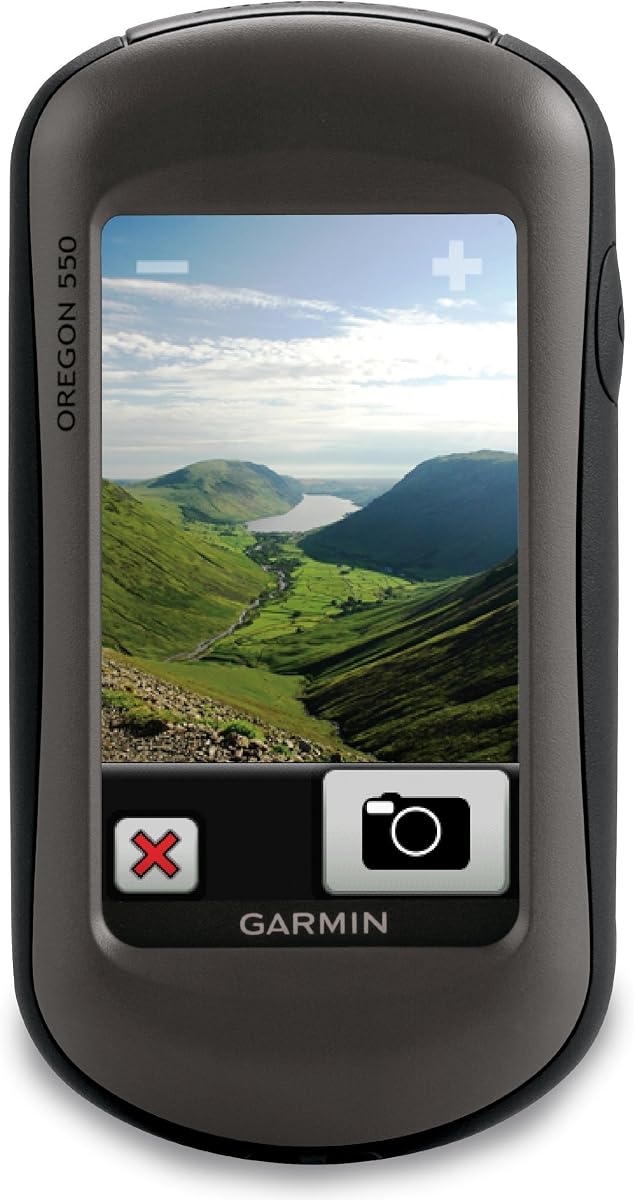
The Garmin Oregon 550 combines waterproof durability with essential navigation tools like a camera and barometric altimeter. Rating 4.0 stars, it is a solid choice for users needing protection from elements without sacrificing core geocaching features.
We may earn a commission when you buy through this link, at no additional cost to you.
Key strengths include a built-in 3-axis tilt-compensated electronic compass and a barometric altimeter that helps track changing weather conditions. The worldwide basemap offers immediate usability without needing immediate downloads for most areas.
Trade-offs involve its age, which means slower processing and outdated software features compared to newer models. However, for basic navigation and camera functionality, it remains a reliable tool for outdoor enthusiasts.
This model suits geocachers who value durability and essential features over the latest technology. It provides a straightforward, rugged solution for finding caches and documenting your trip effectively.
Built-in 3-axis tilt-compensated electronic compass shows heading even when standing still, improving navigation without leveling the device.
Barometric altimeter tracks pressure changes to help you keep an eye on changing weather conditions during your hike.
We may earn a commission when you buy through this link, at no additional cost to you.
The Garmin Oregon 200 offers a basic touchscreen experience with a dedicated geocache user profile for quick access. Rating 3.2 stars, it serves as a budget-friendly option but may struggle with modern expectations compared to newer models.
We may earn a commission when you buy through this link, at no additional cost to you.
Key strengths include the 2.6-inch TFT display and built-in worldwide basemap, which provide decent visual feedback and immediate use. The rugged touch-screen technology ensures durability while maintaining the ease of use offered by touchscreen interfaces.
Trade-offs include older hardware that may lag compared to newer devices and limited software support. Its lower rating reflects user dissatisfaction with performance relative to newer offerings.
This device is best for budget users who need a touchscreen interface for simple navigation. While basic, it delivers essential geocaching functions for casual users on a tight budget.
Features five user profiles including Automotive, Marine, Recreation, Fitness, and Geocache to adapt settings to your specific activity.
High Sensitivity GPS Receiver ensures reliable signal acquisition even in challenging environments like dense forest or deep canyons.
We may earn a commission when you buy through this link, at no additional cost to you.
Selecting the right device requires balancing features like battery life, display quality, and mapping capabilities with your specific needs and budget.
Battery life determines how long you can navigate without recharging. AA battery models allow easy swaps, while rechargeable ones offer convenience. For multi-day trips, look for at least 20 hours of continuous use.
Prioritize devices with replaceable batteries if you hunt in remote areas. AA batteries are universally available and prevent total power failure mid-hunt.
The display must be readable in direct sunlight to avoid eye strain during outdoor activities. A larger screen improves map detail visibility but adds bulk. Color screens help differentiate terrain features better than monochrome.
Choose a screen size between 2.2 and 3.2 inches for optimal balance. Sunlight readability is critical for accurate navigation in open fields.
Preloaded maps save time and ensure you can navigate immediately after unboxing. Some devices support active cache updates from apps, keeping you informed of new finds. Check if the model supports detailed topo maps.
Verify support for cache updates and detailed waypoints. Modern apps integrate with devices to sync descriptions and hints directly for better efficiency.
Geocaching often involves rugged terrain and unpredictable weather. A water-resistant rating like IPX7 or IP66 ensures protection against rain and splashes. Rugged build materials prevent damage from drops or impacts.
Ensure the device meets waterproof standards to survive sudden storms. Durability is non-negotiable for reliable performance in harsh conditions.
Multi-GNSS support (GPS, GLONASS, Galileo) ensures faster acquisition and better accuracy in challenging environments. Single-system receivers might struggle in dense forests. Always check the supported satellite systems before buying.
Devices with GLONASS or Galileo support lock on faster. This is vital for reducing wait times before starting your search.
Higher prices usually bring better features but consider your needs. Entry-level models work for basic navigation while premium ones offer advanced sensors. Determine a budget range before browsing to avoid overspending on unused features.
Compare price against core features like screen and battery. Sometimes a budget model saves you money without sacrificing essential functionality.
Wireless connectivity allows firmware updates and map changes without cables. Some devices pair with smartphones to sync cache data. This feature keeps your device current with new geocaching trends and software patches.
Check for Bluetooth or Wi-Fi capabilities. Wireless updates save time and ensure compatibility with the latest geocaching platforms.
A barometric altimeter tracks altitude changes, helpful for hiking trails. A digital compass provides accurate headings even when stationary. These features add context to your location beyond just coordinates.
If you track elevation or use topographic maps, ensure these sensors are included. They are essential for precise navigation in hilly areas.
To begin, load your geocaching cache coordinates or download them via the companion app. Ensure the device is fully charged or equipped with fresh batteries. Power it on and let it acquire a satellite signal before heading out.
Calibrate the compass by walking in a figure-eight motion if required by the device. Use the map view to track your movement relative to the cache. Follow the on-screen bearing and distance indicators to locate the hiding spot.
After finding the cache, log your activity and take photos if your model supports it. Always turn off the device when finished to preserve battery life. Store it in a dry case to protect against dust and moisture.
Yes, handheld GPS devices operate independently using satellite signals rather than cellular networks. This makes them ideal for remote areas where phone service is unavailable. Ensure you have maps loaded beforehand since some features require Wi-Fi updates.
IPX7 ratings indicate the device can withstand immersion in water up to one meter for 30 minutes. It is highly reliable for heavy rain and splashes. However, avoid submerging it intentionally to prevent potential seal damage.
Most Garmin devices update maps via Garmin Express software on a computer. Some newer models allow wireless updates through the Explore app. Always check the specific instructions for your model to ensure proper installation.
Smartphones work but rely on cellular signals and batteries that drain quickly. Handheld GPS devices offer longer battery life and better durability. For serious geocaching, a dedicated device is more reliable and accurate.
A compass helps you maintain direction when visibility is low or trails are unclear. Digital compasses on GPS units provide accurate headings even when stationary. While not strictly mandatory, they significantly improve navigation precision.
Battery life varies by model but ranges from 16 to 25 hours on standard settings. Some devices in power-saving mode can last several days. Always carry spare AA batteries if planning extended outdoor trips.
Most handheld GPS devices work internationally since they rely on global satellite systems. Ensure you have regional map data loaded for accurate navigation. Check for preloaded basemaps to confirm coverage in your target area.
GPS is the American satellite system while GLONASS is the Russian counterpart. Devices supporting both systems lock on faster and offer better accuracy. This dual support is crucial for dense forests or urban canyons.
We have reviewed the top 10 handheld GPS devices for geocaching in November 2026. Models like the Garmin eTrex 22x and eTrex SE offer the best value and performance for most users looking to explore trails confidently.
When choosing, prioritize battery life and satellite accuracy if you hunt in remote areas. Features like waterproofing and intuitive interfaces make a difference in daily usability and safety. Consider your specific needs before investing in premium models.
Remember to verify current pricing and stock availability before purchasing. Prices fluctuate frequently, so comparing deals ensures you get the best value for your budget.