
JOYO Guitar Audio Interface
4.2Editor score
Direct monitoring zero latency
Pocket sized portability
Plug and play design
Explore the top audio interfaces for guitar in 2026. We compare features, sound quality, and connectivity to help you choose the perfect gear for your music.
Finding the right audio interface for guitar is essential for musicians who want to capture their sound with precision and clarity. Whether you record at home or perform live, the right gear ensures your tone translates perfectly into digital formats.
We evaluated ten top models based on sound quality, connectivity options, latency performance, and ease of use. Our team analyzed technical specifications and user feedback to determine which interfaces deliver the most value for guitarists today.
Each pick highlights specific strengths and ideal use cases to help you match the interface to your workflow. Keep in mind that product availability and pricing may shift over time as manufacturers release updated versions.
4.2Editor score
4.6Editor score

4.7Editor score
This side-by-side comparison highlights the key specifications and unique strengths of each interface to help you find the best match for your recording needs.



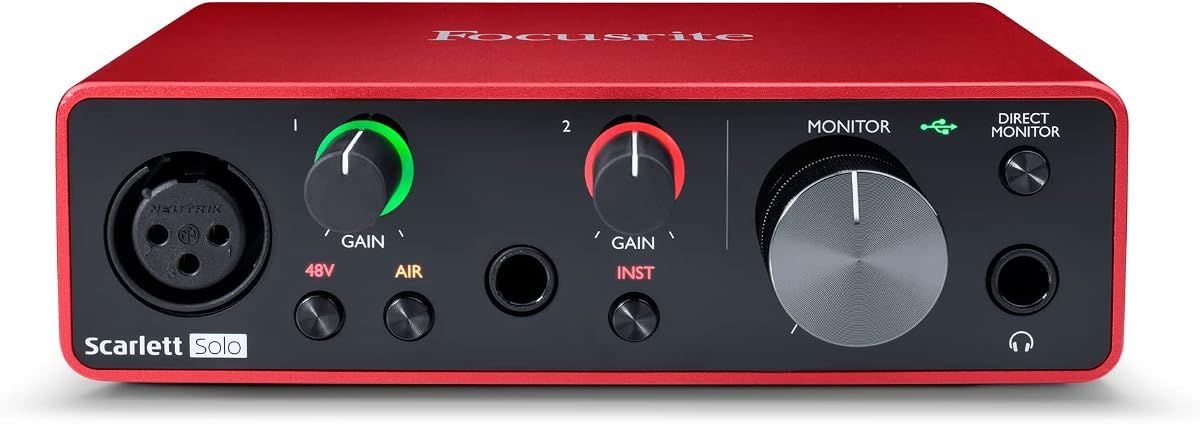
The Focusrite Scarlett Solo 3rd Gen stands out as the leading choice for guitarists seeking reliable home recording. With a solid 4.6 rating it delivers pro performance through high quality mic preamps and precise converters.
We may earn a commission when you buy through this link, at no additional cost to you.
Its high-headroom instrument inputs ensure your guitar shines without clipping while the Gain Halos provide visual feedback on levels. The switchable Air mode adds extra clarity especially useful for acoustic recordings or vocal overdubs.
While it lacks MIDI connectivity which limits integration with external controllers the unit focuses on core recording quality. The included software suite like Pro Tools Intro and Ableton Live Lite adds significant value for new users.
Guitarists wanting a balanced mix of sound quality and ease of use will find this interface ideal. Its reputation for low noise and reliable performance makes it a top recommendation for any home studio setup.
High performance preamps capture nuanced tones while the Gain Halos prevent distortion by showing optimal gain levels.
Switchable Air mode adds extra high frequency clarity helping acoustic instruments cut through the mix.
We may earn a commission when you buy through this link, at no additional cost to you.
The JOYO MOMIX CAB is the best budget option for guitarists who record on the go. Rated 4.2 stars it offers direct monitoring that passes your clean signal straight to headphones with zero latency.
We may earn a commission when you buy through this link, at no additional cost to you.
Its pocket size design lets you clip it to a belt or strap while the included cables ensure compatibility with iPhone and Android. The signal light guides you on input levels without needing complex menus.
Keep in mind it does not support real-time software effects processing so you must use external apps for tone shaping. Android users also need to enable OTG in settings for proper connection and functionality.
For those prioritizing portability and simplicity this interface delivers essential features at an accessible price. It is perfect for capturing ideas during rehearsal or live streaming your guitar playing.
The direct monitoring path ensures you hear your guitar instantly in headphones without processing delay.
USB-C and Lightning connections mean you can record with most modern phones without extra adapters.
We may earn a commission when you buy through this link, at no additional cost to you.
The Fender Quantum HD 2 represents a premium studio solution for professional guitar recording. Its 20×24 interface with 32-bit 192kHz converters ensures pristine clarity for every instrument and vocal track.
We may earn a commission when you buy through this link, at no additional cost to you.
Front-facing instrument inputs deliver transparent tone capture while the Auto Gain button streamlines setup by instantly setting perfect levels. Re-amp outputs let you explore new tones with external gear without re-recording.
Advanced features like ADAT and S/PDIF I/O allow hybrid studio growth but may be unnecessary for casual users. The Fender Studio app provides authentic amp models though it requires online registration to unlock.
Serious producers needing expandability and top-tier sound quality will appreciate this unit. It is a robust investment for those building a scalable home or commercial recording environment.
One press of Auto Gain instantly sets the perfect recording level saving time and frustration.
ADAT expansion adds sixteen digital inputs enabling hybrid studio setups for growing needs.
We may earn a commission when you buy through this link, at no additional cost to you.
The M-AUDIO M-Track Duo provides excellent versatility for recording guitar and vocals simultaneously. With two combo inputs you can capture both sources cleanly using the transparent Crystal preamps designed for all mic types.
We may earn a commission when you buy through this link, at no additional cost to you.
Its USB/Direct switch enables zero latency monitoring essential for staying in time during takes. The package includes MPC Beats software giving you essential production tools to start creating tracks immediately.
While it supports 48kHz resolution rather than 192kHz it still delivers pristine quality for most genres. The lack of loopback makes it less ideal for streaming though it remains a solid choice for music production.
Musicians needing a simple dual channel interface at a mid-range price will find this unit compelling. Its build quality and included software make it a strong contender for home studios.
Two combo inputs allow recording guitar and mic together without extra adapters or interfaces.
Transparent preamps ensure optimal sound from condenser and dynamic mics alike.
We may earn a commission when you buy through this link, at no additional cost to you.
The IK Multimedia iRig USB excels at connecting your guitar to a wide range of devices via USB-C. It works seamlessly with Mac PC and iPad allowing you to record studio quality audio at 24-bit 48kHz.
We may earn a commission when you buy through this link, at no additional cost to you.
A dedicated Amp Out connects your interface to external amps or pedals with selectable FX or THRU settings. This flexibility lets you use existing gear while benefiting from digital recording capabilities.
Note that it does not support Lightning cables limiting iPhone 14 and earlier users unless they adapt. The included software suite helps jumpstart creativity though routing is less flexible than higher-end units.
Guitarists seeking a durable portable solution that integrates with their current rig will appreciate this model. Its simplicity and reliability make it a great choice for on-the-go recording sessions.
Select FX or THRU to route processed or direct signal to your physical amp setup.
USB-C ensures seamless connection across modern Mac PC and iPad devices.
We may earn a commission when you buy through this link, at no additional cost to you.
The MAONO PS22 Lite is designed for content creators who stream or record guitar and vocals. It offers high resolution recording at 192kHz and includes ProStudio Routing Software for flexible signal management.
We may earn a commission when you buy through this link, at no additional cost to you.
Direct monitoring and intuitive modes make switching between setups quick and easy. The dynamic light ring shows input status while the compact ergonomic design fits comfortably in your palm.
You must select the MAONO ASIO driver in your DAW which adds a small setup step. While it supports ASIO for low latency the lack of physical gain knobs may limit precise adjustments.
Streamers needing virtual channels and loopback capabilities will find this interface practical. Its blend of recording quality and broadcast tools makes it a strong option for online creators.
Routing software provides virtual channels and loopbacks ideal for live broadcasts and social streams.
Intuitive modes for recording broadcasting and instruments save time during sessions.
We may earn a commission when you buy through this link, at no additional cost to you.
The PIYONE Interface offers premium fidelity with 24-bit 192kHz resolution in a stylish red alloy design. Its high performance converters capture every nuance with low noise suitable for professional productions.
We may earn a commission when you buy through this link, at no additional cost to you.
Illuminated control rings provide visibility in dim studios while the built-in loopback function supports streaming and podcast workflows. Direct Monitor ensures zero latency tracking without external setup.
It requires a USB-C cable for both data and power eliminating the need for external supplies. While the brand is newer its features and build quality compete well with established players.
Users prioritizing visual design and high resolution recording will enjoy this unit. It balances modern aesthetics with functional tools for a seamless home studio experience.
Signature fixed LED light rings enhance visibility and add a professional look to your desk.
Loopback function allows capturing internal computer audio for live streaming mixes.
We may earn a commission when you buy through this link, at no additional cost to you.
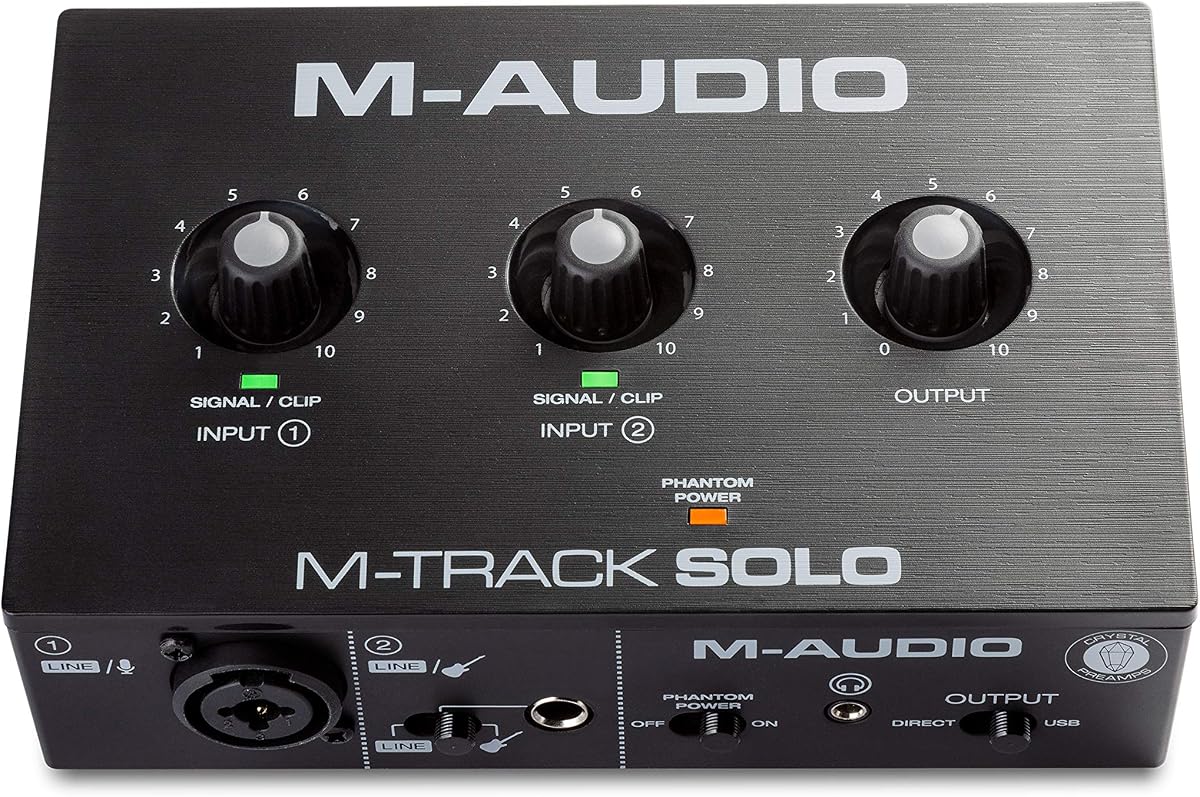
The M-AUDIO M-Track Solo is the most straightforward option for solo guitarists starting out. With one combo XLR Line input it handles mic and instrument signals while Crystal preamps ensure optimal sound.
We may earn a commission when you buy through this link, at no additional cost to you.
Its 48kHz resolution is standard for general recording and the USB/Direct switch enables zero latency monitoring. The included MPC Beats software provides essential tools to begin producing tracks right away.
RCA outputs limit connection to studio monitors without adapters but keep costs low. The lack of multiple inputs means it is not ideal for band recording but perfect for individual practice.
New musicians seeking an affordable and reliable first interface will find it easy to use. Its plug-and-play nature and included software make it a great starter for any beginner.
Transparent preamp guarantees optimal sound from condenser and dynamic microphones.
USB/Direct switch allows fuss-free monitoring without delay during recording sessions.
We may earn a commission when you buy through this link, at no additional cost to you.
The Arturia MiniFuse 1 shines for musicians needing MIDI connectivity and loopback capabilities. With 5-year warranty and robust build quality it offers peace of mind for professional use.
We may earn a commission when you buy through this link, at no additional cost to you.
Its loopback feature lets you capture app or game audio alongside your guitar tracks. The included software bundle covers synths guitars and vocal tools giving you a full production suite.
Note that it uses USB-A rather than USB-C which may require adapters on newer laptops. The single input limits multi-source recording but suffices for solo work and MIDI sync.
Guitarists who play synths or need to record internal audio will love this interface. Its comprehensive software and reliable build make it a top pick for multimedia producers.
5-pin MIDI input and output sync synths and controllers effortlessly.
Useful Loopback feature captures in-app audio for voiceovers or tutorials.
We may earn a commission when you buy through this link, at no additional cost to you.
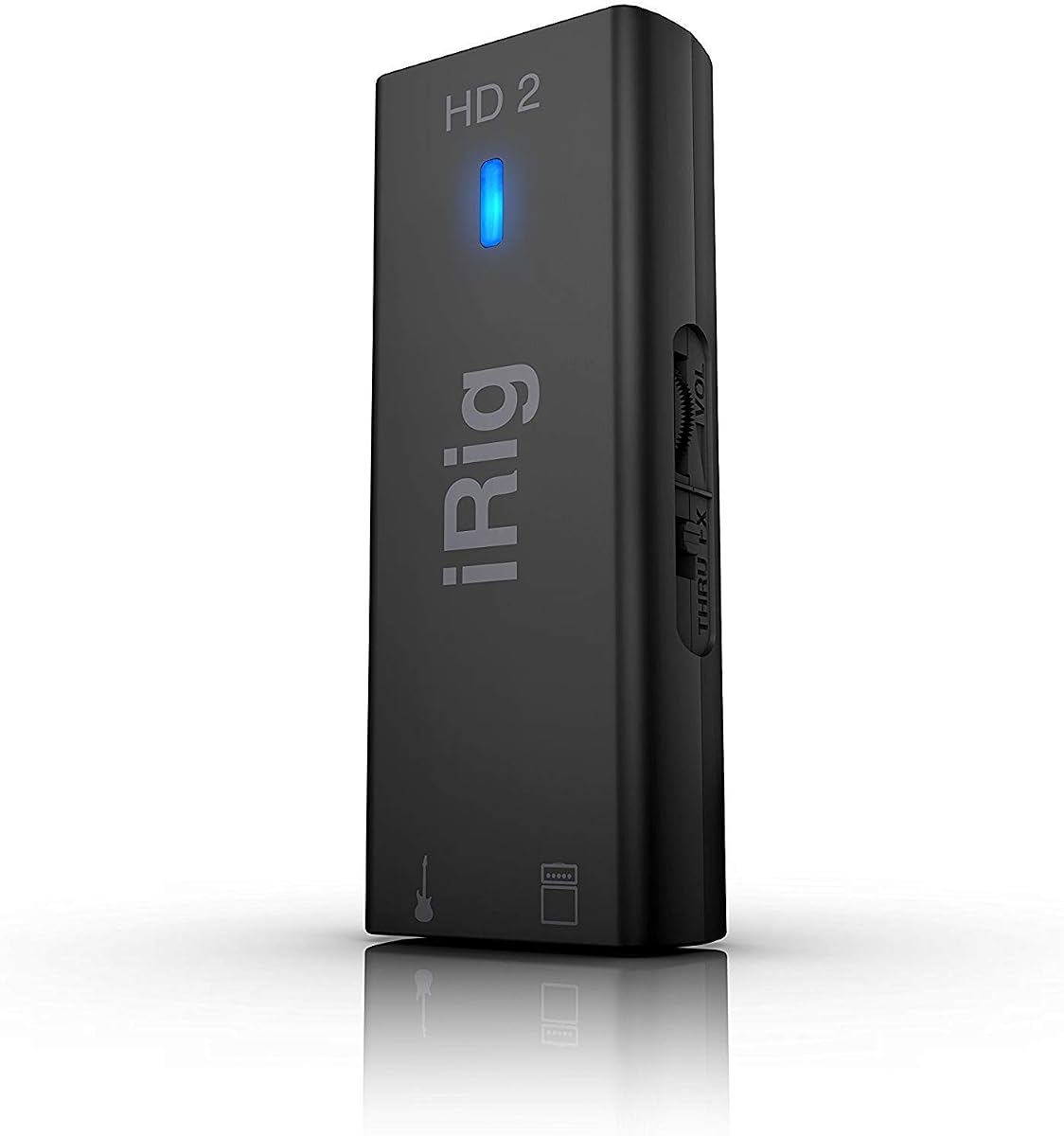
The IK Multimedia iRig HD 2 is legendary among mobile musicians for its high definition recording. It supports 96kHz sampling the highest in its class ensuring pristine digital capture.
We may earn a commission when you buy through this link, at no additional cost to you.
FX Thru switch lets you keep effects on your rig while adjusting levels without reconfiguration. It includes Lightning USB and USB-C cables making it compatible with most iOS and PC devices.
Exclusive content like amplitude iOS may require app subscriptions to unlock full features. The lightweight design fits in pockets but requires multiple cables which can clutter your setup.
Mobile guitarists seeking the highest digital fidelity will value this unit. Its versatility with iOS devices makes it a standard choice for recording on the go.
96kHz sampling rate delivers high-definition results without sacrificing performance.
Adjust FX or Thru settings without changing all your levels every time.
We may earn a commission when you buy through this link, at no additional cost to you.
Selecting the right audio interface depends on your recording goals budget and device ecosystem. Consider these factors to match the interface to your needs.
Count how many sources you record simultaneously. Solo guitarists may need one input but duets or bands require multiple. Ensure the interface has XLR combo jacks for both mics and instruments.
Choose input count based on your current and future recording needs.
Check if your interface uses USB-A USB-C Lightning or Thunderbolt. Newer laptops may require USB-C while older phones rely on Lightning. Ensure your OS supports plug-and-play or driver installation.
Verify cable type matches your device to avoid extra adapters.
Zero latency monitoring is essential for comfortable recording. Direct Monitor switches let you hear your signal instantly without software delays. USB audio interfaces often include built-in headphone amps for control.
Look for Direct Monitor switches to hear guitar with zero delay.
Resolution like 24-bit 192kHz ensures detailed recordings. Higher sampling rates reduce noise and preserve dynamics. Preamps with high headroom prevent clipping on loud guitar signals.
Prioritize 24-bit resolution for professional sound quality.
Many interfaces include DAWs and plugins that save money on software. Check if licenses are limited or perpetual. Some brands partner with companies like Ableton or Akai for production tools.
Select interfaces with software that fits your production workflow.
If you travel often choose compact units that can clip to straps. Durability matters if you gig frequently. Alloy housings resist wear better than plastic shells.
Opt for rugged build quality if you plan to transport the unit.
Consider ADAT or S/PDIF options if you plan to grow your studio. Interfaces with MIDI I/O support synthesizers. Future-proofing saves money as you add gear.
Choose expandable interfaces if you anticipate adding more instruments.
Check warranty terms carefully. Some offer 5 years while others offer 1. Reliable customer support reduces downtime when issues arise during sessions.
Look for multi-year warranties to protect your investment.
Connect your interface to a computer or phone using the supplied cable. Install drivers if required and select the device in your DAW preferences. Adjust the input gain using the knob while playing to ensure your signal peaks below clipping.
Plug your guitar into the instrument input and headphones into the monitor jack. Enable Direct Monitor to hear your performance with zero latency. Use the volume knob to balance your guitar with backing tracks.
Keep your interface dry and avoid touching exposed metal contacts to prevent static damage. Store cables neatly to prevent wear. Restart your computer if the device disconnects unexpectedly during sessions.
Not necessarily. Many interfaces include software amps or connect to your existing amp via an output. You can record your dry signal and apply effects later in your software to match your favorite tones.
Clipping happens when input gain exceeds the interface's headroom. Use the gain knob to lower the level so the light indicator stays in the safe range. Lowering your pedal volume helps prevent distortion.
Yes if your interface supports zero latency monitoring. The Direct Monitor switch ensures you hear your guitar instantly without the lag caused by software processing. This keeps you in time while playing.
USB-C is faster and reversible while USB-A is traditional. Most modern laptops support USB-C but you might need adapters for older devices. Always check which cable is included before purchasing.
Most modern interfaces are plug-and-play class compliant. Some advanced units like those with ASIO may require drivers. Install them if your DAW cannot detect the interface automatically.
Yes many interfaces support iOS and Android with Lightning or USB-C. However you may need OTG for Android. Ensure your app supports external audio devices for recording.
The Focusrite Scarlett Solo leads for overall quality while the JOYO interface wins on portability and budget. Premium users benefit from the Fender Quantum HD 2 expandability.
Prioritize input types and latency features to match your recording style. If you need MIDI or loopback consider the Arturia MiniFuse. Choose based on your main use case.
Always check current stock and compatibility before purchasing as technology evolves quickly. Verify cable requirements with your specific device to ensure smooth setup.