
Canon RF100mm F2.8 L Macro IS USM Lens
4.7Editor score
1.4x Maximum Magnification Ratio
Hybrid Image Stabilization System
Spherical Aberration Control Ring
Explore the top macro lenses for insect photography. This guide compares dedicated optics, smartphone attachments, and filters for capturing detailed close-up
Capturing the intricate world of insects requires specialized optics to reveal details invisible to the naked eye. A quality macro lens allows photographers to focus extremely close, rendering fine textures on wings and legs with remarkable clarity and precision.
We evaluated ten distinct options ranging from professional mirrorless lenses to affordable smartphone attachments. Each product was assessed based on magnification power, optical sharpness, build quality, and ease of use for documenting small subjects in the field.
This guide presents detailed reviews and comparisons to help you select the right tool for your budget and camera system. Please note that product availability and pricing can fluctuate, so verify current details before making your final purchase decision.
4.7Editor score

4.4Editor score

4.6Editor score
The following table provides a side-by-side overview of key specifications for each product. Use this reference to quickly compare magnification ratios, compatibility, and unique features across different price points and camera systems.




The Canon RF100mm F2.8 L Macro IS USM stands out as a top-tier option for serious insect photographers. Rated highly for its optical excellence, it delivers stunning clarity and a unique 1.4x magnification ratio that exceeds standard macro lenses.
We may earn a commission when you buy through this link, at no additional cost to you.
Its Hybrid Image Stabilizer compensates for both angular and shift shake, allowing for sharper handheld shots in varying light conditions. The Spherical Aberration Control Ring offers creative flexibility to adjust bokeh shape, enhancing the artistic quality of your insect portraits.
While the investment is significant, the optical performance justifies the cost for professionals. The lens may feel heavier than prime alternatives, but the trade-off is exceptional sharpness and versatility that traditional macro optics cannot match.
If you own a Canon EOS R system and seek the highest image quality for detailed insect work, this lens is the definitive choice. It combines technical precision with creative control for breathtaking macro results.
The 1.4x magnification allows you to capture subjects larger than life, revealing minute details on insect wings and eyes that standard lenses miss.
The SA Control Ring lets you shape the background blur from round to cat-eye, giving you unique artistic options for your macro compositions.
We may earn a commission when you buy through this link, at no additional cost to you.
The TTARTISAN 40mm f/2.8 Macro Lens offers a compelling balance of performance and affordability for Sony users. It achieves true 1:1 magnification, allowing for detailed shots of small insects without the high cost of branded optics.
We may earn a commission when you buy through this link, at no additional cost to you.
Its compact design makes it ideal for travel and field work, weighing significantly less than similar options. The F2.8 aperture provides a nice depth of field and beautiful background blur, isolating your insect subject effectively against natural environments.
Manual focus is the primary trade-off, requiring patience and steady technique to achieve sharp results. However, for those willing to embrace manual control, the optical quality and build robustness offer excellent value for the price.
This lens is perfect for hobbyists and professionals seeking a lightweight macro solution. It delivers impressive sharpness and clarity, making it a strong contender for dedicated insect photography on a budget.
Weighing just 371 grams, this lens is 30% lighter than competitors, making it easy to carry on long nature walks.
Dual LD glass elements minimize aberrations, ensuring crisp details from corner to corner for professional-quality macro shots.
We may earn a commission when you buy through this link, at no additional cost to you.
The FotoZ Macro Conversion Lens transforms your current camera lens into a macro setup without buying new glass. It is a practical solution for photographers wanting close-up results with minimal financial investment.
We may earn a commission when you buy through this link, at no additional cost to you.
Its universal compatibility covers a wide range of filter threads from 37mm to 72mm. The spring-loaded adapter allows for quick switching between macro and normal modes, keeping your workflow efficient during outdoor shoots.
Optical performance is decent for the price, though not matching dedicated macro optics. Vignetting can occur on wider lenses, but this is acceptable given the cost savings and convenience of an add-on filter system.
If you are exploring macro photography on a budget, this lens offers a low-risk way to experiment. It provides immediate access to close-up details of insects and flowers with your existing camera gear.
The included adapter rings fit various lens sizes, making this a versatile choice for photographers with multiple lenses.
No tools are required to attach or remove the lens, allowing you to switch modes quickly as subjects appear.
We may earn a commission when you buy through this link, at no additional cost to you.
The APEXEL 100Ultra Macro Lens brings serious magnification power to smartphone photography. Designed for iPhones, it allows users to capture intricate details of insects and plants with a clarity that rivals dedicated cameras.
We may earn a commission when you buy through this link, at no additional cost to you.
Its F1.05 aperture is a standout feature, providing beautiful depth of field and bokeh typically found in higher-end lenses. The lossless magnification technology ensures that zooming in does not degrade image quality significantly.
The universal clip design fits most phones but may obscure other lenses if not positioned carefully. While it relies on phone sensors, the optical quality is impressive for mobile users wanting professional-looking macro shots.
This lens is ideal for content creators and hobbyists using smartphones. It offers a cost-effective way to explore macro photography without investing in a full camera system, delivering stunning results for social media.
The ultra-large aperture creates natural background blur on your phone, adding artistic flair to your close-up insect shots.
With a 50-110mm focal range, you can capture subjects from a distance without scaring them away.
We may earn a commission when you buy through this link, at no additional cost to you.
The Canon RF35mm F1.8 IS Macro STM is a versatile lens that offers close focusing capabilities in a small package. While not a true macro, its 0.5x magnification allows for decent insect photos without the weight of longer lenses.
We may earn a commission when you buy through this link, at no additional cost to you.
Its Optical Image Stabilization provides up to 5 stops of correction, making it easy to shoot handheld in lower light. The F1.8 aperture is bright, allowing for creative depth of field and good performance in dim environments.
The control ring offers direct access to settings like aperture or ISO, speeding up your workflow. Although it lacks full macro magnification, it is an excellent secondary lens for casual close-up work and portraits.
If you need a general-purpose lens that can handle some macro tasks, this is a top choice. It balances speed and size well, making it a reliable daily driver for Canon RF users.
Up to 5 stops of shake correction ensures sharp shots even when handholding in less than ideal lighting conditions.
Directly adjust exposure settings via the lens barrel, streamlining your photography process during shoots.
We may earn a commission when you buy through this link, at no additional cost to you.
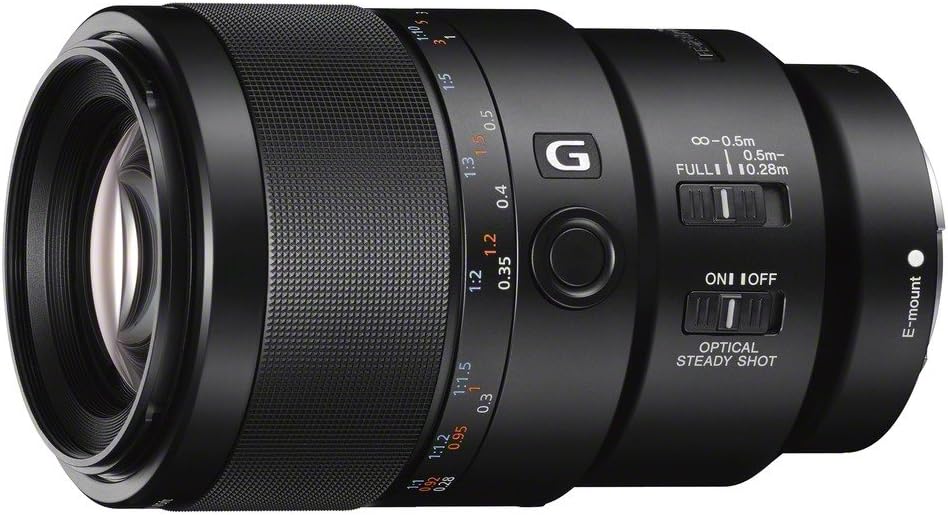
The Sony FE 90mm F2.8 Macro G OSS is a renowned lens for Sony users seeking high performance. It delivers 1:1 magnification with exceptional sharpness across the entire frame, making it a favorite for professional insect photography.
We may earn a commission when you buy through this link, at no additional cost to you.
Advanced Spherical elements and Super ED glass minimize flare and ghosting, while the Nano AR coating suppresses reflections. This ensures high contrast and color accuracy even when shooting into challenging light sources.
The Direct Drive SSM motor provides quiet and precise focusing, crucial for not disturbing skittish insects. Dust and moisture resistance adds reliability for field work in various weather conditions.
While it is a premium investment, the optical quality and durability make it worth the cost for serious photographers. It balances macro performance with general-purpose utility perfectly for Sony shooters.
Effectively suppresses internal reflections, ensuring clean images even when shooting against bright or reflective backgrounds.
The Direct Drive SSM ensures silent focusing, preventing noise from startling insects during critical moments.
We may earn a commission when you buy through this link, at no additional cost to you.
This 67mm Close-up Filter Kit provides multiple magnification options in one set. It includes four different powers that can be used individually or stacked, offering flexibility for various macro needs.
We may earn a commission when you buy through this link, at no additional cost to you.
The double-threaded design allows you to stack filters for combined power, like adding +1 and +4 for a total of +5. This versatility is great for experimenting with different magnification levels without buying multiple lenses.
Optical quality is decent for casual use, though stacking multiple filters can introduce some softness. The kit includes a pouch and cleaning cloth, making it a complete package for photographers looking to try macro on a budget.
If you have a 67mm lens and want to explore macro, this is a cost-effective entry point. It is portable and easy to deploy, letting you capture details quickly in the field.
Combine filters to increase magnification power, providing a flexible solution for different subject sizes.
Includes a pouch and cleaning cloth, ensuring your filters are protected and ready to use when you go out.
We may earn a commission when you buy through this link, at no additional cost to you.
The Xenvo Pro Lens Kit offers a complete solution for mobile macro photography. It includes a 15x macro lens and a wide-angle lens, giving you versatility for different types of shots on your phone.
We may earn a commission when you buy through this link, at no additional cost to you.
A highlight is the GlowClip rechargeable LED light, which provides warm fill light for subjects in low light. This helps overcome the limitations of phone flash, resulting in natural-looking macro photos of insects.
The TruGrip clip is designed for superior power, keeping the lens securely attached during shooting. While optical quality may not match dedicated lenses, it is excellent for capturing moments on the go.
If you want an all-in-one kit for your phone that includes lighting, this is a strong option. It makes mobile macro photography accessible and fun for hobbyists and travelers.
The rechargeable LED light eliminates the need for external lighting, providing immediate illumination for dark subjects.
Superior gripping power ensures the lens stays secure, allowing you to focus on composition without worrying about stability.
We may earn a commission when you buy through this link, at no additional cost to you.
The ULANZI CL-003 Phone Macro Lens brings a professional touch to smartphone macro photography. Designed with a 17mm thread, it allows for precise mounting and tele-focusing similar to DSLR methods.
We may earn a commission when you buy through this link, at no additional cost to you.
Its 10x optical magnification captures millimeter details with high definition clarity. The upgraded lens combination minimizes distortion, ensuring your photos look crisp and professional rather than like standard phone zooms.
The aluminum alloy body feels sturdy and durable, offering better handling than plastic alternatives. While it requires a 17mm adapter or specific case, the build quality and optical performance justify the extra setup.
This lens is perfect for mobile creators seeking premium results. It balances design and function well, giving you control over focus distance and quality for impressive close-up work.
Tele-focusing operation lets you control distance precisely, mimicking professional camera techniques on a phone.
Advanced optics ensure high definition imaging, highlighting textures that often look blurry with cheaper lenses.
We may earn a commission when you buy through this link, at no additional cost to you.
The AstrHori 25mm F2.8 is designed specifically for extreme close-up photography. It offers a 2-5x magnification range, allowing you to capture details far beyond life-size that standard macro lenses cannot reach.
We may earn a commission when you buy through this link, at no additional cost to you.
The wide-angle configuration provides a deeper depth of field compared to telephoto macros. This ensures that more of your subject remains in focus, which is crucial when shooting complex insects with raised legs or wings.
Manual focus gives you precise control over the focal point, essential for high magnification work. The slim and lightweight design facilitates handheld use, making it easier to maneuver around subjects in the field.
This lens is ideal for those seeking extreme macro capabilities without infinity focus needs. It provides unique opportunities to explore the smallest details in nature with a manageable physical footprint.
The 2-5x magnification surpasses life-size, letting you see details that are invisible to the naked eye.
The wide-angle design offers better depth of field, ensuring more of your subject remains sharp in high-magnification shots.
We may earn a commission when you buy through this link, at no additional cost to you.
Choosing the right macro lens depends on your camera system, budget, and the level of detail you need. This section breaks down the critical factors to consider before making a purchase.
Magnification determines how large your subject appears on the sensor. A true macro lens typically offers 1:1 magnification, meaning the subject is reproduced at life-size. For insect photography, higher ratios like 2x or 5x reveal more details but often come with trade-offs like narrower fields of view.
Look for a lens that matches your detail requirements. While 1:1 is standard, higher magnifications are better for microscopic work.
A wider aperture like f/2.8 lets in more light, allowing for faster shutter speeds. However, macro photography inherently has a shallow depth of field, so balancing aperture with depth of field needs is crucial.
Select an aperture that provides enough sharpness for your subject while managing background blur effectively.
Ensure the lens matches your camera's mount system. Sony users need E-mount lenses, while Canon RF users require RF lenses. Third-party options often provide more affordability but verify compatibility lists carefully.
Always check that the lens supports your specific camera model before purchasing.
Insect photography often happens outdoors in varied weather. A lens with weather sealing protects against dust and moisture, ensuring longevity during field trips.
Prioritize robust construction if you plan to shoot frequently in nature.
Autofocus is convenient for moving subjects, but manual focus allows for precise adjustments. Many macro photographers prefer manual for static subjects to avoid hunting.
Consider a lens with smooth manual focus rings for better control.
Insect photography involves long hours of crouching and moving. A lighter lens reduces fatigue and makes handheld shooting easier.
Choose a lightweight option if you plan to hike with your gear regularly.
Professional macro lenses can be expensive. If budget is a concern, conversion lenses or smartphone attachments offer a cost-effective way to experiment.
Balance cost with optical quality to find the best value for your needs.
Image stabilization is vital for handheld shooting. It compensates for camera shake, allowing for sharper images without a tripod.
Opt for lenses with IS or OSS if you shoot handheld often.
When using your macro lens, start by approaching your subject slowly to avoid startling it. Use a tripod if possible to maximize stability and depth of field. Adjust your aperture carefully to balance light and sharpness for your specific subject.
Clean your lens regularly with a microfiber cloth to remove dust and moisture. Protect your lens with a UV filter when not in use to prevent scratches. Store it in a dry case with silica gel packs to maintain optical quality.
Practice patience when photographing insects. They can be unpredictable, so be ready to shoot quickly. Review your images frequently to check focus and lighting. Keep your hands steady to ensure sharp macro results in the field.
A tripod is highly recommended for stability, especially in lower light or when using high magnification. It allows you to focus precisely without camera shake. However, handheld shooting is possible with lenses that feature image stabilization.
For most insect photography, 1:1 magnification is sufficient to capture fine details. If you need extreme close-ups, look for lenses offering 2x or higher magnification ratios. Higher ratios often require more lighting and stability.
Yes, many macro lenses work well for general photography, portraits, and landscapes. They often provide excellent sharpness and focus at longer distances. Check if the lens supports infinity focus for versatile use.
Use a soft brush to remove dust before wiping with a microfiber cloth. Avoid touching the glass with fingers to prevent oils. Use lens cleaning fluid sparingly if necessary. Store the lens in a protective case when not in use.
Smartphone macro lenses are great for casual users and social media content. They offer an affordable way to explore macro photography without a camera system. However, dedicated camera lenses provide superior optical quality and control.
Natural light is ideal for macro work. If additional light is needed, use a diffused flash or LED ring light. Avoid harsh direct light that creates strong shadows. Consider using natural reflectors to soften light.
Manual focus is often preferred for precise macro shots. Use live view on your camera to zoom in digitally and adjust focus manually. A focusing rail helps with fine adjustments. Take multiple shots to ensure sharp focus.
Weather sealing is crucial if you shoot outdoors in varied conditions. It protects the lens from dust and moisture that can damage internal components. A sealed lens offers peace of mind and longevity for outdoor photography.
We have explored ten options ranging from professional Canon and Sony lenses to affordable smartphone attachments. Whether you prioritize high magnification, budget-friendly accessories, or rugged build quality, there is a solution tailored to your needs.
When deciding, focus on your primary use case. If you shoot exclusively on a phone, an attachment with a good aperture will serve you well. For serious nature photography, invest in a true macro lens with stabilization and weather resistance.
Remember that prices and availability change frequently across online retailers. Always verify the current specs and cost before purchasing to ensure you get the best value for your investment. Happy shooting and enjoy the small world.