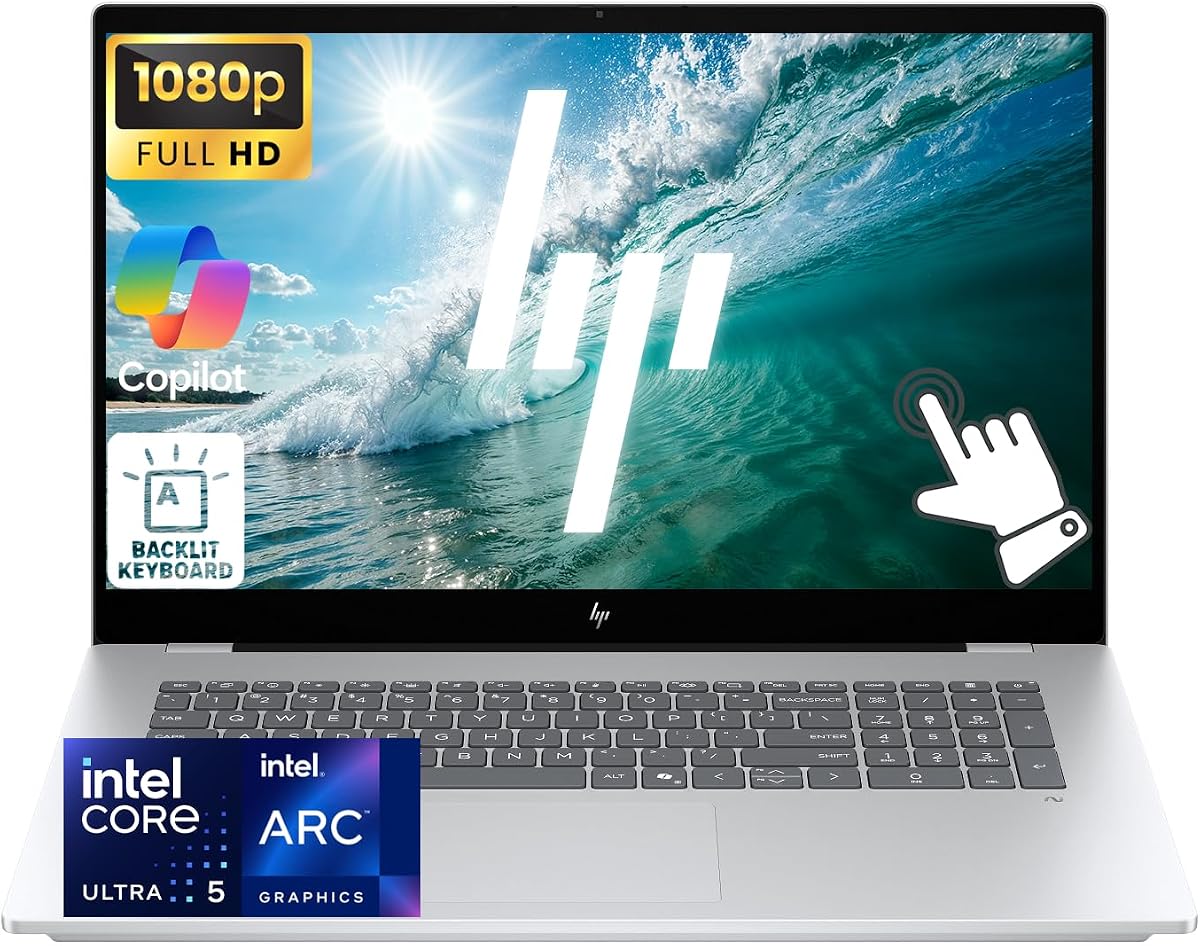
HP OmniBook 7, Laptop
4.7Editor score
Intel Core Ultra 5 226V
17.3 Inch Touchscreen
16GB RAM and 1TB SSD
Interior designers need powerful tools to handle complex CAD files, 3D rendering, and high-resolution imaging. A capable laptop ensures smooth workflows from initial sketches to final presentations without frustrating lag.
We evaluated ten top-rated laptops based on performance, display quality, portability, and professional certifications. Our analysis focuses on models that support industry-standard software and deliver reliable productivity for design professionals.
Each pick highlights specific strengths like GPU power, screen accuracy, or battery life. Prices and availability change frequently, so verify current details before purchasing to ensure you get the right configuration for your studio needs.
4.7Editor score

4.4Editor score

4.1Editor score
As an Amazon Associate we earn from qualifying purchases.
This side-by-side comparison highlights the key specifications and capabilities of each selected laptop to help you identify the best fit for your interior design workflow.


The Dell Precision 7680 stands out as the top recommendation for interior designers seeking unmatched power and reliability. Rated 4.4 stars, this workstation delivers the computational muscle required for complex 3D rendering and large-scale CAD projects.
We may earn a commission when you buy through this link, at no additional cost to you.
Its Intel Core i9 processor and 32GB of DDR5 RAM ensure that even the most demanding applications run smoothly. ISV certifications guarantee compatibility with industry-standard software like AutoCAD and Revit, minimizing crashes and errors during critical design phases.
While the performance is exceptional, the device does carry a premium price and weight compared to consumer laptops. These trade-offs are acceptable for professionals who prioritize stability and speed over portability in a studio environment.
If you need a machine that can handle intensive creative workflows without compromise, this is the definitive choice. Its robust build and enterprise-grade security make it ideal for designers who value long-term reliability.
ISV certifications ensure the laptop works flawlessly with professional design software, reducing downtime and increasing productivity.
Support for up to three external monitors allows for expansive workflows across reference images and design tools.
We may earn a commission when you buy through this link, at no additional cost to you.
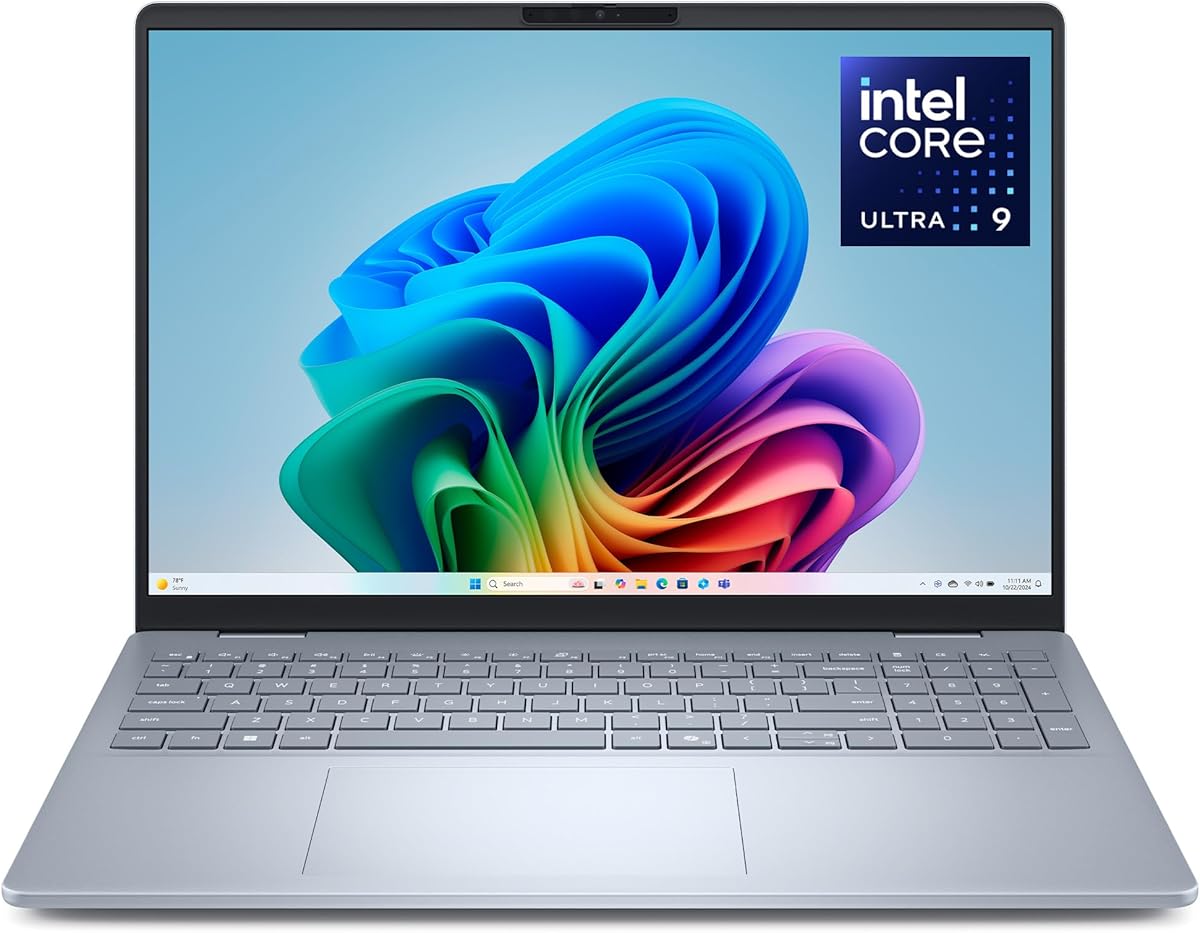
This Dell 16 Plus model offers a premium experience designed for creative professionals who value advanced AI features and strong display quality. With a 4.3-star rating, it balances performance with a polished aluminum build that fits modern studio needs.
We may earn a commission when you buy through this link, at no additional cost to you.
Built on Intel's latest client compute engines, the device delivers efficient power for multitasking and new AI experiences. The expansive 16:10 QHD+ screen provides excellent space for managing multiple windows and detailed design layouts simultaneously.
Users may find the lack of specific GPU information a drawback for heavy 3D rendering compared to dedicated workstations. However, the robust build quality and included service options make it a secure choice for daily professional tasks.
Choose this laptop if you want a sleek, scalable machine that supports AI-driven workflows and reliable performance. It is well-suited for designers who need a capable device without the bulk of a traditional workstation.
Latest Intel compute engines optimize performance and energy use for cooler, quieter operation during long sessions.
The 16:10 aspect ratio provides extra vertical space for viewing detailed architectural plans and color palettes.
We may earn a commission when you buy through this link, at no additional cost to you.
The HP OmniBook 7 AI Laptop is a standout choice for designers who prioritize color accuracy and visual fidelity. With a 4.3-star rating, its 2K OLED display offers vivid imagery and touch responsiveness that are ideal for reviewing design mockups.
We may earn a commission when you buy through this link, at no additional cost to you.
The Intel Core 9 processor and 32GB DDR5 RAM handle modern workflows with ease. The 120Hz refresh rate ensures smooth scrolling through large files, while HDR support highlights contrast details in textures and lighting setups.
Potential concerns include OLED panel burn-in risks and fewer port choices compared to other models. These limitations are minor for most users who can manage file storage with cloud or external solutions effectively.
This laptop is perfect for creatives needing a high-quality screen and touch interaction for their daily work. Its powerful specs make it a reliable companion for designers balancing creativity and professional demands.
The OLED panel delivers deep blacks and accurate colors essential for high-fidelity interior design visualization.
Touch capabilities allow intuitive navigation and direct editing on the screen for creative workflows.
We may earn a commission when you buy through this link, at no additional cost to you.
The HP ZBook 8 G1i is a robust mobile workstation built for professionals tackling demanding engineering and design tasks. Rated 4.1 stars, it combines enterprise-grade security with powerful specs tailored for complex simulations and 3D modeling work.
We may earn a commission when you buy through this link, at no additional cost to you.
With an NVIDIA RTX 500 Ada GPU and 64GB of RAM, this device handles intensive rendering and multitasking smoothly. The 2TB SSD ensures ample space for large project files and quick access to essential design assets.
The laptop's weight and price reflect its workstation-class components which may be excessive for casual design users. However, for those requiring extreme power and reliability, these trade-offs are justified for productivity gains.
Select this ZBook if your workflow involves heavy computational loads and you need maximum storage and memory. It delivers desktop-level performance in a mobile package suitable for on-site or studio environments.
Built-in enterprise-grade protection helps safeguard sensitive client data and project files during development.
Wi-Fi 7 and Thunderbolt 4 ensure fast data transfers and seamless connections to high-speed peripherals.
We may earn a commission when you buy through this link, at no additional cost to you.
The Dell Precision 7680 with NVIDIA RTX 1000 Ada delivers dependable performance tailored for design professionals. Its 4.3-star rating reflects consistent reliability and the ability to manage demanding architectural and interior design tasks effectively.
We may earn a commission when you buy through this link, at no additional cost to you.
Equipped with 32GB DDR5 RAM and a dedicated GPU, this laptop supports smooth rendering and complex modeling. The ISV certifications ensure that professional applications run without unexpected interruptions or compatibility issues.
While the CPU is mid-tier compared to top-end models, it remains sufficient for most design workflows without overheating. Users should note that RAM upgrades may be limited by the CAMM architecture in some configurations.
This model is an excellent pick for designers needing a balance of power and stability. Its workstation pedigree makes it a trustworthy tool for daily studio or remote work.
Built with MIL-STD-810H testing to withstand harsh environments and ensure long-term durability.
The NVIDIA RTX 1000 Ada GPU provides essential acceleration for real-time rendering and visualization.
We may earn a commission when you buy through this link, at no additional cost to you.
This Precision 7680 variant offers a higher-tier NVIDIA RTX 2000 Ada GPU suited for intensive rendering work. With a 3.9-star rating, it delivers robust specs for professionals who need substantial storage and graphics power for complex projects.
We may earn a commission when you buy through this link, at no additional cost to you.
The Intel Core i7 processor paired with 32GB DDR5 RAM ensures multitasking efficiency. Users benefit from 2TB of storage which accommodates extensive libraries of textures and assets without external drives.
Some users may find the rating lower due to specific hardware or configuration preferences. The increased cost reflects these premium components, which may not suit all budgets or needs.
Consider this laptop if your priority is maximum graphical performance and storage capacity. It is designed for advanced users who require workstation-level resources for high-end design production.
The RTX 2000 Ada provides superior acceleration for real-time rendering and complex scene manipulation.
2TB SSD storage allows for local access to vast project files and media assets instantly.
We may earn a commission when you buy through this link, at no additional cost to you.
The HP OmniBook 7 Business Laptop provides an affordable yet capable option for designers needing a larger display and solid performance. Rated 4.7 stars, it offers exceptional value with its 17.3-inch touchscreen and modern Core Ultra processor.
We may earn a commission when you buy through this link, at no additional cost to you.
Its 16GB RAM and 1TB SSD handle everyday tasks and moderate creative work efficiently. The large screen enhances productivity by offering more desktop space for toolbars and reference documents.
Users relying on heavy 3D rendering may find the 16GB RAM a limiting factor compared to workstation models. However, for general design work and client presentations, this configuration is well-rounded and cost-effective.
This model is an excellent budget choice for students or professionals entering the field. It balances performance and price while providing the screen real estate that interior designers often appreciate.
This laptop delivers strong performance and a large touchscreen at a significantly lower price than competing options.
The 17.3-inch display allows for comfortable viewing of detailed floor plans and client presentations.
We may earn a commission when you buy through this link, at no additional cost to you.
This high-memory variant of the Dell Precision 7680 is rated 5.0 stars by users who need extreme multitasking power. With 64GB of RAM and a powerful GPU, it ensures that even the most complex design projects run without memory bottlenecks.
We may earn a commission when you buy through this link, at no additional cost to you.
The Intel Core i7 processor and RTX 2000 Ada GPU work together to accelerate rendering and simulations. Its full-size keyboard with a numeric keypad enhances productivity for data entry and detailed layout adjustments.
The high price and weight reflect its premium build and component quality. These factors may deter users seeking portability but are worth the trade-off for professionals prioritizing speed and reliability.
If your projects demand maximum memory and graphical throughput, this laptop is an ideal choice. It provides enterprise-grade performance that supports advanced workflows and large file handling.
64GB of RAM allows for seamless multitasking across multiple large design applications simultaneously.
A full-size keyboard with numeric keypad streamlines data entry and technical calculations during design work.
We may earn a commission when you buy through this link, at no additional cost to you.
While not a laptop itself, this rolling bag is an essential accessory for designers who travel or commute with their devices. Rated 4.5 stars, it offers a stylish and functional solution to protect laptops up to 17 inches while easing physical strain.
We may earn a commission when you buy through this link, at no additional cost to you.
The chic design features faux leather textures and gold-tone hardware that look professional in any business setting. Padded compartments and multiple pockets keep chargers, documents, and essentials organized and secure during transit.
Some users may find the weight of the bag plus device slightly cumbersome. However, the rolling mechanism and retractable handle significantly reduce shoulder strain compared to traditional shoulder bags.
Select this bag if you need a reliable and fashionable way to transport your design equipment. It complements any laptop choice by ensuring safe and comfortable travel for work or client meetings.
The sophisticated design ensures you look polished and professional during client meetings and airport travel.
Inline wheels and retractable handles make it easy to move your laptop and gear effortlessly.
We may earn a commission when you buy through this link, at no additional cost to you.
The HP 14 Thin and Light Laptop offers an affordable entry point for students or budget-conscious designers. Rated 3.8 stars, it provides basic computing power with a 16GB RAM advantage and bundled accessories like an external drive and docking hub.
We may earn a commission when you buy through this link, at no additional cost to you.
Its Intel Celeron processor is suitable for light document editing and web browsing but may struggle with heavy rendering or CAD software. The compact 14-inch design makes it highly portable for on-the-go productivity.
Users should note that the CPU is entry-level and not meant for intensive graphical workloads. The external storage dependency requires managing files carefully to maximize the available system drive space.
This model works best for those starting out or needing a secondary device for basic tasks. It provides essential specs at a low cost, though serious design work may eventually require an upgrade.
This laptop offers a budget-friendly solution with helpful accessories that reduce initial setup costs.
Its thin and light build makes it easy to carry for quick notes or client meetings on the go.
We may earn a commission when you buy through this link, at no additional cost to you.
Selecting the right laptop requires balancing performance, display quality, and portability to match your specific workflow needs.
The processor is the brain of your laptop and dictates how fast it can handle complex 3D models and multi-tasking. For interior designers, a high-core-count CPU such as Intel Core i7 or i9 ensures smooth performance when running CAD and rendering software.
Look for workstation-grade CPUs that provide sustained performance without throttling during long design sessions.
A dedicated GPU accelerates rendering and allows for smooth viewport navigation in 3D applications. NVIDIA RTX series GPUs with ISV certification are preferred for stability and optimal performance in professional design tools.
Prioritize a GPU with at least 6GB of VRAM to handle high-resolution textures and complex scenes effectively.
Adequate RAM is essential for keeping multiple design applications open simultaneously without slowdowns. Aim for at least 32GB of DDR5 RAM to ensure seamless workflow continuity when working with large files.
Choose a laptop with a fast SSD for quick boot times and file access, ensuring your projects are stored securely and retrieved quickly.
Accurate color representation is crucial for interior designers who need to match textures and materials precisely. Look for screens with high resolution and wide color gamuts like sRGB or DCI-P3 to ensure designs look as intended.
A larger screen or touchscreen can enhance productivity by allowing direct interaction and more workspace for detailed layouts.
ISV certifications guarantee that the hardware is tested and optimized for specific professional software applications. This reduces the risk of crashes or bugs when using tools like Revit, AutoCAD, or SketchUp.
Ensure your chosen laptop carries the necessary certifications for the software you rely on daily to avoid compatibility issues.
Interior designers often work both in studios and on-site, making weight and build quality important factors. A durable chassis that can withstand travel is essential for professionals who commute to job sites frequently.
Balance the need for power with portability by selecting a laptop that fits your transport habits and daily usage patterns.
Multiple ports such as Thunderbolt 4 HDMI and USB-A allow for easy connection to external monitors and peripherals. This flexibility supports expanded workflows when additional screens or drawing tablets are required.
Verify that the laptop includes the necessary ports to connect all your essential tools without needing excessive adapters.
Long battery life is crucial for designers who work away from power outlets for extended periods. Look for models that offer at least several hours of active use to maintain productivity during meetings or travel.
Prioritize laptops with efficient power management to ensure your device lasts through your workday without interruption.
Keep your laptop on a flat stable surface to ensure proper ventilation and prevent overheating during intensive rendering sessions. Use a cooling pad if you plan to work for several hours continuously.
Regularly clean the screen with a soft microfiber cloth to maintain display clarity and color accuracy. Avoid harsh chemicals or abrasive materials that could damage the delicate OLED or anti-glare coatings.
Back up your project files frequently to an external drive or cloud service to prevent data loss. Maintain your software and drivers to ensure compatibility with the latest design tools and security patches.
Yes, a dedicated GPU significantly accelerates 3D rendering and viewport navigation. It ensures smoother performance when working with detailed models and complex scenes in professional design software.
32GB is generally sufficient for most interior design projects. It supports multiple applications and large files without noticeable slowdowns during typical workflows.
A 16-inch or larger screen is recommended for CAD and modeling. It provides adequate space for toolbars and detailed views without needing multiple external monitors.
ISV-certified laptops are worth the cost for professional users. They ensure software compatibility and reduce the risk of crashes or errors during critical project phases.
Yes, a gaming laptop can work for design if it has a capable GPU and sufficient RAM. However, workstation laptops offer better stability and certification for professional applications.
Battery life is important for designers who travel or work away from desks. Aim for at least several hours of active use to maintain productivity throughout the workday.
We have highlighted ten top-rated laptops that cater to various professional needs ranging from entry-level to workstation performance. Each option provides distinct strengths tailored to different design workflows and budget requirements.
Prioritize components like CPU, GPU, and display quality that directly impact your daily efficiency and accuracy. Selecting the right configuration ensures your tool grows with your skills and project complexity.
Always verify current prices and availability as hardware configurations and promotions may change. Checking the latest specs helps you secure the best value for your specific design needs.